Staten Island Construction Defect Claims: What Homeowners Need to Know
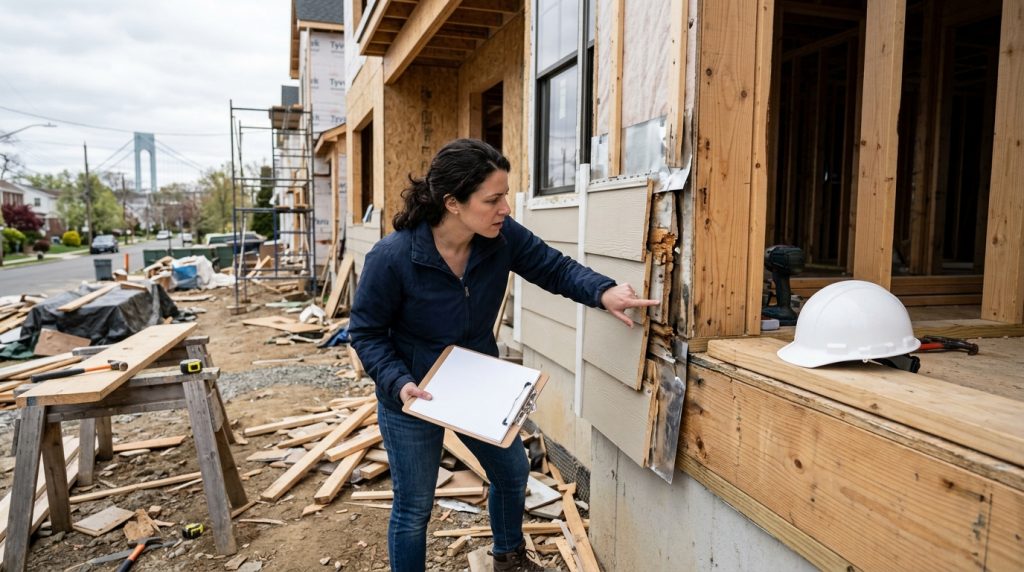
Discovering construction defects in your Staten Island home can be both frustrating and financially devastating. Whether you’ve recently completed a renovation, purchased a newly constructed property, or discovered latent defects years after construction, understanding your legal rights is crucial to protecting your investment and securing appropriate compensation.
Understanding Construction Defects in New York
Construction defects encompass a wide range of issues that arise from faulty design, substandard workmanship, or the use of defective materials. In Staten Island and throughout New York, these defects can significantly impact your property’s value, safety, and habitability.
Common Types of Construction Defects
Construction defects generally fall into several categories:
- Design deficiencies: Flaws in the architectural or engineering plans that result in structural problems or code violations
- Material defects: Use of substandard, defective, or inappropriate building materials
- Workmanship issues: Poor installation, failure to follow building codes, or deviation from approved plans
- Subsurface problems: Inadequate soil preparation, improper grading, or foundation issues
Common manifestations include foundation cracks, water intrusion, roof leaks, electrical system failures, HVAC malfunctions, and structural instability. Our experienced construction law attorneys have handled numerous cases involving these complex issues throughout Staten Island, Manhattan, Brooklyn, Queens, The Bronx, Nassau County, and Suffolk County.
Legal Framework for Construction Defect Claims in New York
New York law provides multiple avenues for homeowners to pursue construction defect claims, each with specific requirements and limitations.
Statute of Limitations Considerations
Time is of the essence when pursuing construction defect claims. New York’s statute of limitations for construction-related actions is generally three years from the date of discovery for breach of contract claims and three years for negligence claims. However, New York Labor Law §240 and §241 claims involving construction accidents may have different timeframes.
For latent defects—those not immediately discoverable—the discovery rule may extend these deadlines, but homeowners should never delay consultation with legal counsel. The statute of repose, which bars claims after ten years from substantial completion regardless of discovery, also applies in certain circumstances.
Potential Defendants in Construction Defect Cases
Depending on the nature of your claim, potentially liable parties may include:
- General contractors and subcontractors
- Architects and engineers
- Material manufacturers and suppliers
- Developers and property sellers
- Building inspectors (in limited circumstances)
Identifying all responsible parties requires thorough investigation and legal expertise. In some cases, contractors may have dissolved their business entities or face bankruptcy proceedings, complicating recovery efforts but not necessarily eliminating your options for compensation.
Building Your Construction Defect Case
Documentation and Evidence Preservation
Successful construction defect claims require comprehensive documentation. Homeowners should:
- Photograph and video document all defects thoroughly
- Preserve all contracts, change orders, warranties, and correspondence
- Maintain records of all payments made to contractors
- Document all communication regarding the defects
- Retain expert inspection reports and repair estimates
For homeowners who have questions about the claims process, our FAQ videos provide valuable insights into various legal procedures and what to expect when pursuing litigation.
The Role of Expert Witnesses
Construction defect litigation typically requires expert testimony from engineers, architects, contractors, and other construction professionals who can establish the standard of care, identify deviations from that standard, and quantify damages. These experts provide critical evidence linking the defendant’s actions to the defects and your resulting damages.
Remedies Available to Staten Island Homeowners
Successful construction defect claims may result in various forms of compensation, including:
- Cost of repairs or remediation
- Diminution in property value
- Temporary housing expenses during repairs
- Loss of use of the property
- Consequential damages (such as damage to personal property)
- In cases of fraud or gross negligence, punitive damages
Special Considerations for International Contractors and Materials
Staten Island’s diverse construction market sometimes involves contractors or materials from overseas. When defects involve international parties or imported materials, additional complexities arise regarding jurisdiction, enforcement of judgments, and applicable law. Our firm’s experience in international law proves invaluable in these situations.
When Construction Defects Lead to Criminal Charges
In egregious cases involving fraudulent practices, unlicensed contractors, or violations resulting in serious injury, construction matters may involve criminal law implications. While separate from civil claims, criminal proceedings can impact your case strategy and potential recovery.
Take Action to Protect Your Investment
Construction defects won’t resolve themselves, and delays in addressing them can lead to additional damage, increased repair costs, and potential loss of legal remedies. If you’ve discovered construction defects in your Staten Island home, immediate consultation with experienced legal counsel is essential.
At Tini Law, P.C., our construction law attorneys have extensive experience representing homeowners throughout Staten Island, Manhattan, Brooklyn, Queens, The Bronx, Nassau County, and Suffolk County in complex construction defect litigation. We understand the technical aspects of construction claims and the financial impact these defects have on your most valuable asset.
Contact Tini Law, P.C. today for a comprehensive evaluation of your construction defect claim. Don’t let contractors or developers avoid responsibility for substandard work—let our experienced legal team fight to protect your rights and recover the compensation you deserve.