Slip and Fall Accidents in NYC: Proving Liability in Personal Injury Cases
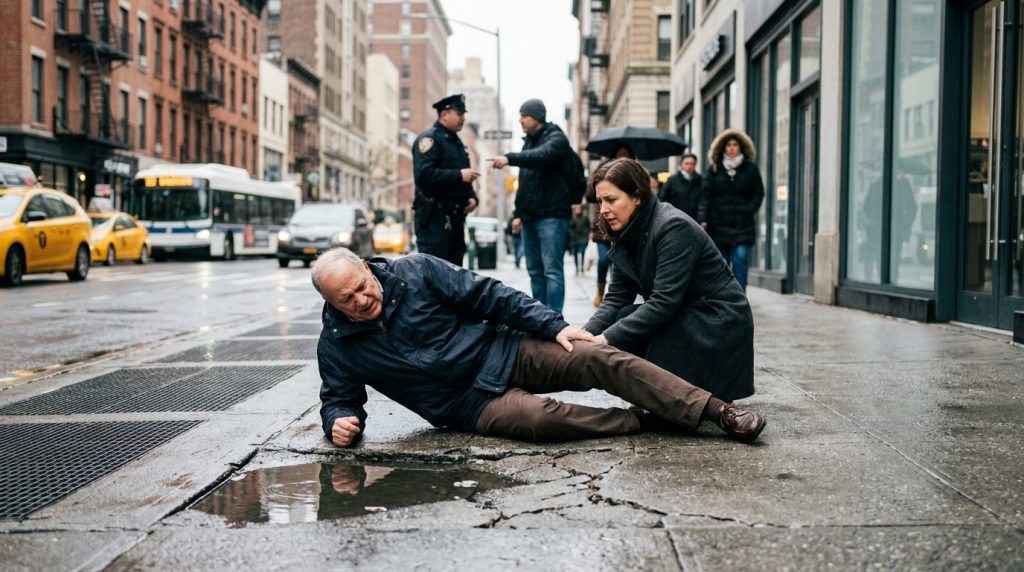
Slip and fall accidents are among the most common personal injury claims in New York City. Whether you’re navigating icy sidewalks in Manhattan, shopping in Brooklyn, or visiting a construction site in Queens, property owners have a legal duty to maintain safe premises. Understanding how to prove liability in these cases is crucial to securing the compensation you deserve.
Understanding Premises Liability in New York
In New York, slip and fall cases fall under premises liability law, which holds property owners and occupiers responsible for maintaining reasonably safe conditions. To establish liability, injured parties must demonstrate that the property owner knew or should have known about the hazardous condition and failed to remedy it or provide adequate warning.
New York courts apply a comparative negligence standard, meaning your compensation may be reduced if you’re found partially at fault for your injuries. This makes building a strong case from the outset absolutely essential.
Common Causes of Slip and Fall Accidents in NYC
Throughout Manhattan, Brooklyn, Queens, The Bronx, Staten Island, Nassau County, and Suffolk County, slip and fall accidents occur due to various hazardous conditions:
- Wet or slippery floors in retail establishments, restaurants, and office buildings
- Uneven sidewalks and pavement caused by weather damage or poor maintenance
- Inadequate lighting in stairwells, parking garages, and walkways
- Snow and ice accumulation on walkways and building entrances
- Debris and obstacles left in pedestrian pathways
- Defective stairs or handrails in residential and commercial properties
In cases involving construction sites, additional safety regulations may apply, potentially strengthening your claim against multiple liable parties.
Essential Elements for Proving Liability
1. Duty of Care
The first element requires establishing that the property owner owed you a duty of care. In New York, property owners must maintain their premises in a reasonably safe condition for lawful visitors. This duty extends to business invitees, social guests, and in some circumstances, even trespassers.
2. Breach of Duty
You must demonstrate that the property owner breached this duty through action or inaction. This could involve failing to repair a known hazard, neglecting routine maintenance, or violating building codes. Documentation is critical—photographs, incident reports, and witness statements can establish the dangerous condition existed.
3. Causation
Your injuries must have been directly caused by the hazardous condition. Medical records linking your injuries to the fall are essential evidence. Seeking immediate medical attention after your accident not only protects your health but also creates a contemporaneous record of your injuries.
4. Notice
Perhaps the most challenging element in New York slip and fall cases is proving the property owner had actual or constructive notice of the dangerous condition. Actual notice means they knew about the hazard. Constructive notice means the condition existed long enough that they should have discovered and remedied it through reasonable inspection.
Gathering Critical Evidence
Building a compelling slip and fall case requires comprehensive evidence collection:
- Photographic and video documentation of the accident scene, including the hazard and surrounding area
- Witness contact information and statements from anyone who saw the incident
- Incident reports filed with the property owner or manager
- Medical records documenting your injuries and treatment
- Maintenance logs showing the property owner’s inspection and repair history
- Weather reports for outdoor accidents involving ice or snow
In cases involving government property in Manhattan or other boroughs, strict notice requirements apply. You may need to file a notice of claim within 90 days of your accident—missing this deadline could bar your case entirely.
Special Considerations in New York Slip and Fall Cases
New York’s “storm in progress” rule protects property owners from liability during active weather events. However, once precipitation stops, owners have a reasonable time to clear hazards. What constitutes “reasonable time” depends on factors like the severity of the storm and the property’s location.
Additionally, violations of building codes or safety regulations can serve as evidence of negligence. In cases involving criminal activity or inadequate security contributing to your fall, additional liability theories may apply.
Why Legal Representation Matters
Insurance companies representing property owners employ experienced adjusters and attorneys to minimize payouts. They may argue you were distracted, that the condition was open and obvious, or that insufficient notice existed. Without skilled legal representation, you risk accepting an inadequate settlement or having your claim denied entirely.
An experienced personal injury attorney can investigate your accident thoroughly, consult with expert witnesses, calculate the full extent of your damages (including future medical expenses and lost earning capacity), and negotiate aggressively with insurance carriers. If necessary, they’ll take your case to trial to secure the compensation you deserve.
For additional insights on various legal matters, explore our FAQ videos covering topics from personal injury to bankruptcy law and international law.
Contact Tini Law, P.C. Today
If you’ve been injured in a slip and fall accident anywhere in Manhattan, Brooklyn, Queens, The Bronx, Staten Island, Nassau County, or Suffolk County, time is of the essence. Evidence can disappear, witnesses’ memories fade, and critical filing deadlines approach quickly.
At Tini Law, P.C., our experienced personal injury attorneys understand the complexities of New York premises liability law and have successfully represented countless slip and fall victims throughout the New York metropolitan area. We offer comprehensive case evaluations and work on a contingency fee basis—you pay nothing unless we recover compensation for you.
Don’t let a property owner’s negligence leave you with mounting medical bills and lost income. Contact Tini Law, P.C. today to schedule your free consultation and learn how we can help you pursue the justice and compensation you deserve.