Slip and Fall Accidents in NYC: Proving Liability in Personal Injury Cases
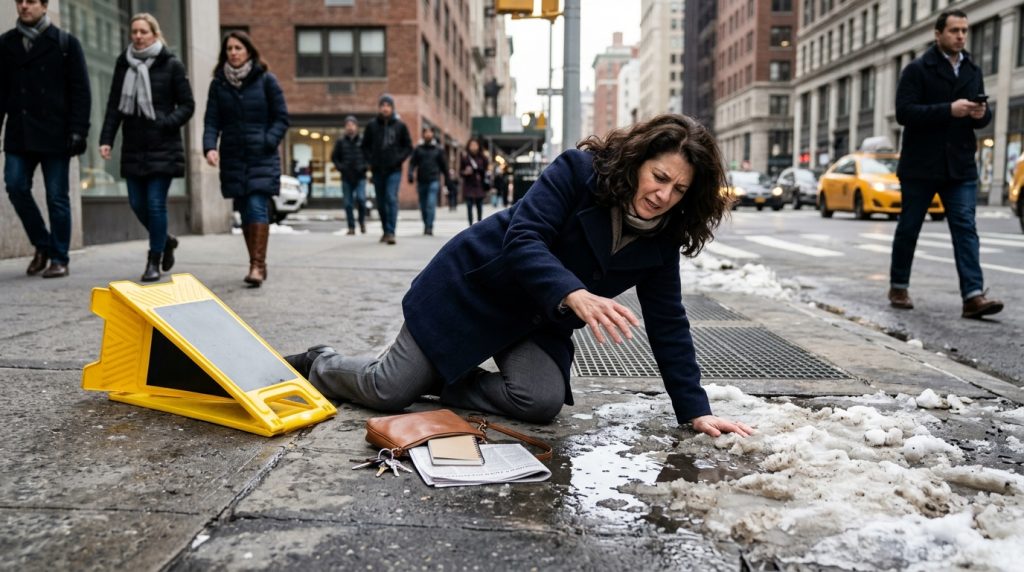
Slip and fall accidents represent one of the most common types of personal injury claims throughout New York City. Whether occurring in Manhattan’s bustling commercial districts, Brooklyn’s residential neighborhoods, or anywhere across Queens, The Bronx, Staten Island, Nassau County, or Suffolk County, these incidents can result in severe injuries and complex legal battles. Understanding how to prove liability is essential for securing the compensation you deserve.
Understanding Premises Liability Law in New York
New York premises liability law establishes that property owners and occupiers have a legal duty to maintain reasonably safe conditions for lawful visitors. When a dangerous condition exists and causes injury, the property owner may be held liable. However, proving negligence in slip and fall cases requires demonstrating specific legal elements that courts scrutinize carefully.
Under New York law, plaintiffs must establish that the property owner either created the hazardous condition, had actual knowledge of it, or should have known about it through reasonable inspection and maintenance protocols. This standard applies whether the accident occurred at a retail establishment, apartment building, construction site, or any other property throughout the New York metropolitan area.
Common Causes of Slip and Fall Accidents in NYC
New York City’s unique urban environment presents numerous hazards that contribute to slip and fall incidents:
- Weather-related conditions: Snow, ice, and rain create slippery surfaces on sidewalks, building entrances, and parking areas
- Defective sidewalks: Cracked, uneven, or broken pavement throughout NYC’s five boroughs
- Poor lighting: Inadequately illuminated stairwells, hallways, and parking structures
- Wet or freshly waxed floors: Especially common in commercial establishments without proper warning signage
- Debris and obstacles: Merchandise, equipment, or materials left in walkways
- Construction hazards: Unmarked dangers at building sites, which may also involve construction law considerations
Proving Liability: Essential Elements of Your Case
Documenting the Hazardous Condition
Successful slip and fall claims depend heavily on evidence. Immediately after an accident, victims should photograph the hazardous condition from multiple angles, capture any relevant warning signs (or their absence), and document lighting conditions and weather if applicable. Video footage from security cameras can provide invaluable evidence of both the condition and the incident itself.
Establishing Notice: Actual or Constructive Knowledge
One of the most challenging aspects of slip and fall litigation involves proving the property owner had notice of the dangerous condition. Actual notice means the owner knew about the hazard directly. Constructive notice means the condition existed long enough that a reasonable property owner should have discovered and remedied it through proper maintenance procedures.
Courts examine factors such as how long the condition existed, whether similar incidents occurred previously, and what inspection protocols the property owner maintained. Maintenance logs, incident reports, and witness testimony become critical evidence in establishing notice.
Demonstrating Causation and Damages
Plaintiffs must prove the hazardous condition directly caused their injuries. Medical documentation linking your injuries to the fall is essential. Seek immediate medical attention following any slip and fall accident, even if injuries seem minor initially. Some serious conditions, including traumatic brain injuries and spinal damage, may not manifest symptoms immediately.
New York’s Comparative Negligence Standard
New York follows a pure comparative negligence rule, meaning injured parties can recover damages even if partially at fault for their accident. However, compensation is reduced by the plaintiff’s percentage of fault. Defense attorneys often argue that victims should have seen and avoided the hazard, weren’t paying attention, or were wearing inappropriate footwear.
This makes strong evidence and expert legal representation crucial. An experienced personal injury attorney anticipates these defense strategies and builds compelling cases that minimize attributed fault to the injured party.
Time Limitations: New York’s Statute of Limitations
New York generally imposes a three-year statute of limitations for personal injury claims, including slip and fall cases. However, claims against government entities—such as accidents on city-owned property—require filing a Notice of Claim within 90 days of the incident. Missing these deadlines can permanently bar your right to compensation.
Given these strict timeframes and the complexity of proving liability, consulting with a qualified attorney promptly after your accident is essential. Legal counsel can also address related matters if your case involves multiple legal areas, such as criminal law issues if assault occurred, bankruptcy law concerns if medical bills become overwhelming, or international law considerations for foreign nationals injured in New York.
Contact Tini Law, P.C. for Experienced Personal Injury Representation
If you’ve suffered injuries in a slip and fall accident anywhere in Manhattan, Brooklyn, Queens, The Bronx, Staten Island, Nassau County, or Suffolk County, Tini Law, P.C. provides the experienced legal representation you need. Our firm understands the complexities of New York premises liability law and has successfully represented numerous clients in personal injury claims.
We offer comprehensive legal services across multiple practice areas and provide detailed answers to common legal questions through our FAQ videos. Don’t let insurance companies minimize your claim or property owners evade responsibility. Contact Tini Law, P.C. today for a consultation to discuss your slip and fall case and learn how we can help you pursue the compensation you deserve.