
Evicting a Problem Tenant in Brooklyn: NYC Landlord Legal Requirements
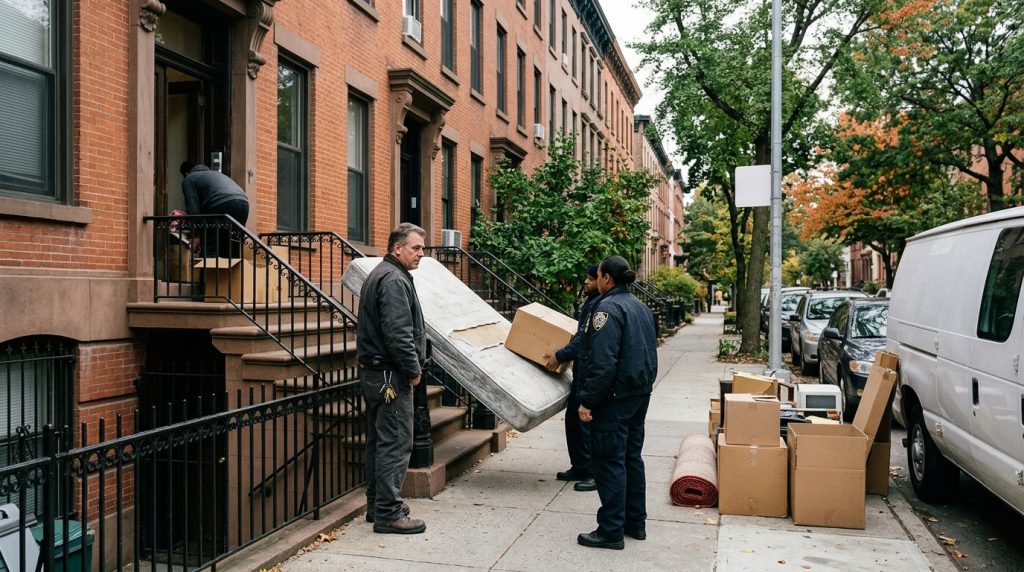
Dealing with a problem tenant in Brooklyn can be one of the most challenging aspects of property ownership. Whether you’re managing rental properties in Park Slope, Williamsburg, or Bay Ridge, understanding New York City’s strict landlord-tenant laws is essential to protecting your investment while remaining compliant with legal requirements.
As experienced real estate attorneys serving Brooklyn, Queens, Manhattan, The Bronx, Staten Island, and throughout Nassau and Suffolk Counties, we’ve guided countless landlords through the eviction process. This guide outlines the critical legal requirements every NYC landlord must follow when evicting a problem tenant.
Understanding Just Cause for Eviction in Brooklyn
New York’s Housing Stability and Tenant Protection Act of 2019 significantly changed eviction procedures throughout the state. In Brooklyn and across NYC, landlords must demonstrate “good cause” to evict a tenant, particularly in rent-stabilized units. Valid reasons for eviction include:
- Non-payment of rent
- Lease violations (unauthorized occupants, illegal activity, property damage)
- Holdover tenancy (remaining after lease expiration without renewal)
- Owner occupancy needs
- Nuisance behavior affecting other tenants
It’s crucial to document all violations thoroughly. If your tenant’s problematic behavior involves criminal activity, you may need guidance from an attorney experienced in both real estate and criminal law matters to properly document evidence for court proceedings.
The Legal Eviction Process in NYC
Step 1: Serve Proper Notice
Before filing any eviction lawsuit, Brooklyn landlords must serve the appropriate notice:
- Rent Demand Notice: For non-payment cases, serve a 14-day notice demanding payment or possession
- Cure Notice: For lease violations, provide a 10-day notice allowing the tenant to correct the violation
- Termination Notice: For month-to-month tenancies, provide 30 days’ notice (or more, depending on tenancy length)
Notice requirements vary based on tenancy type and lease terms. Improper notice is the most common reason eviction cases are dismissed in Brooklyn Housing Court.
Step 2: File a Holdover or Non-Payment Petition
After the notice period expires without resolution, landlords must file a petition with Brooklyn Housing Court. This initiates a formal eviction proceeding, legally termed a “summary proceeding.” You cannot simply change locks or remove a tenant’s belongings—doing so constitutes illegal “self-help” eviction and exposes you to significant liability.
Step 3: Serve Court Papers
The tenant must be properly served with the petition and notice of hearing. Service methods include personal delivery, substituted service, or conspicuous place service combined with mailing. Using a professional process server ensures compliance with strict service requirements.
Step 4: Attend Housing Court Proceedings
Brooklyn Housing Court hearings provide both parties an opportunity to present their case. Judges scrutinize landlord compliance with procedural requirements. Be prepared to present:
- The original lease agreement
- Proof of proper notice service
- Documentation of lease violations or rent arrears
- Correspondence with the tenant
- Photographs or witness testimony supporting your case
If your tenant files for bankruptcy protection during eviction proceedings, the automatic stay provisions may temporarily halt your case. Understanding how bankruptcy law intersects with eviction proceedings is critical to protecting your rights.
Special Considerations for Brooklyn Landlords
Rent Stabilization and Rent Control
Many Brooklyn properties fall under rent stabilization or rent control. These regulations impose additional restrictions on evictions and require specific lease renewal procedures. Violating these requirements can result in substantial penalties.
Warranty of Habitability
Tenants facing eviction often raise habitability defenses. Before pursuing eviction, ensure your property meets all housing code requirements. Outstanding violations can undermine your case or result in rent abatements. If your building has ongoing construction law issues or permit violations, address these proactively.
International Tenants
Brooklyn’s diverse population means landlords may encounter tenants with immigration concerns or language barriers. While immigration status doesn’t affect eviction proceedings legally, communication challenges require sensitivity. Our firm’s experience with international law matters helps bridge these gaps professionally.
Common Mistakes Brooklyn Landlords Must Avoid
Eviction cases are frequently dismissed due to preventable errors:
- Accepting partial rent payments after serving notice
- Failing to register rent-stabilized units properly
- Using improper lease clauses
- Retaliating against tenants who complain about conditions
- Missing court appearances
- Attempting self-help evictions
Each mistake can delay the eviction process by months and expose you to counterclaims and legal fees.
Post-Eviction Considerations
Even after obtaining a judgment of possession, landlords must coordinate with the City Marshal to execute the eviction. The marshal schedules the physical removal, typically providing the tenant with 14 days’ notice. Only the marshal can legally remove a tenant and their belongings.
Protect Your Investment with Experienced Legal Guidance
Evicting a problem tenant in Brooklyn requires strict adherence to complex legal procedures. A single misstep can result in case dismissal, financial losses, and months of delay. At Tini Law, P.C., our real estate and landlord-tenant attorneys have successfully represented property owners throughout Brooklyn, Manhattan, Queens, The Bronx, Staten Island, Nassau County, and Suffolk County.
Whether you’re dealing with non-payment, lease violations, or holdover tenants, we provide comprehensive legal representation from initial notice through marshal execution. We understand the financial pressure problem tenants create and work efficiently to resolve your case while protecting your rights.
For answers to common landlord-tenant questions, visit our FAQ videos page, where we address frequently encountered issues in plain language.
Don’t navigate Brooklyn’s complex eviction process alone. Contact Tini Law, P.C. today for a consultation with an experienced landlord-tenant attorney who will protect your property rights and guide you through every step of the eviction process.