
Evicting a Problem Tenant in Brooklyn: NYC Landlord Legal Requirements
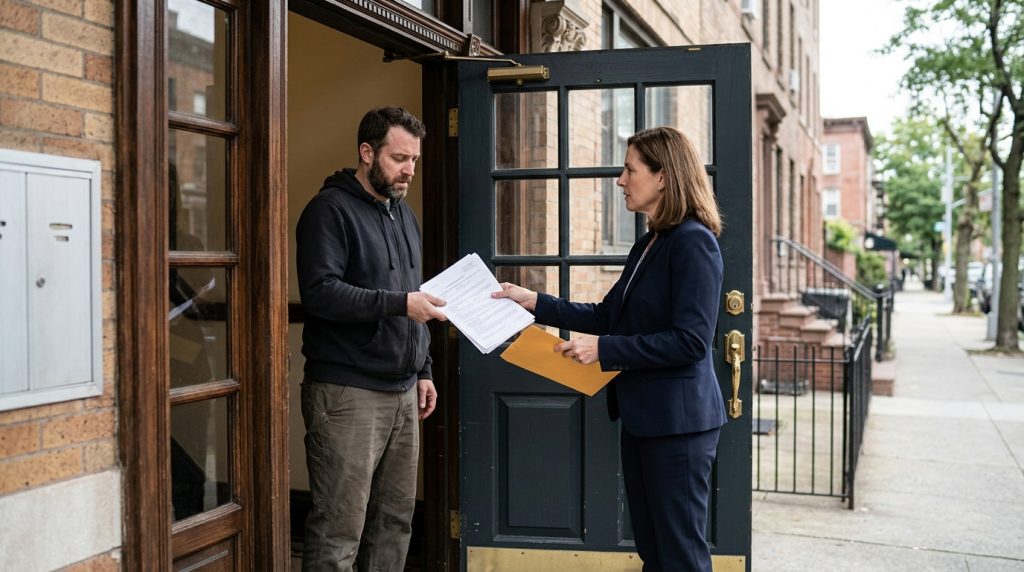
Evicting a problem tenant in Brooklyn can be a complex and time-consuming process. New York landlord-tenant laws are among the most tenant-protective in the nation, and navigating the eviction process requires strict adherence to legal procedures. Whether you’re dealing with non-payment of rent, lease violations, or other tenant issues, understanding your rights and obligations as a landlord is essential to avoid costly mistakes.
Understanding New York’s Eviction Laws
In New York City, landlords cannot simply remove tenants without following proper legal channels. Self-help evictions—such as changing locks, removing belongings, or shutting off utilities—are illegal and can result in significant penalties. The eviction process must proceed through Housing Court, and landlords must establish valid grounds for eviction.
The Housing Stability and Tenant Protection Act of 2019 introduced substantial changes to eviction procedures throughout Brooklyn, Manhattan, Queens, The Bronx, and Staten Island. These reforms extended notice periods, limited late fees, and created additional protections for tenants, making it even more critical for landlords to understand current legal requirements.
Valid Grounds for Eviction in Brooklyn
Before initiating eviction proceedings, landlords must have legally acceptable grounds. Common reasons include:
Non-Payment of Rent
Non-payment is the most common reason for eviction. However, landlords must provide a 14-day notice demanding payment before filing a petition in Housing Court. If a tenant has filed for bankruptcy protection, the automatic stay provisions may temporarily halt eviction proceedings, requiring coordination with bankruptcy court procedures.
Lease Violations
Tenants who violate lease terms—such as unauthorized occupants, property damage, or illegal activities—can be evicted. In cases involving criminal activity on the premises, landlords may have stronger grounds for expedited proceedings, though proper notice and documentation remain essential.
Holdover Tenants
When a lease expires and the tenant refuses to vacate, landlords can pursue a holdover eviction. For month-to-month tenancies or lease expirations, proper notice periods must be observed—typically 30 days for tenancies under one year, and up to 90 days for longer tenancies.
The Brooklyn Eviction Process: Step-by-Step
Step 1: Serve Proper Notice
The eviction process begins with serving appropriate notice. The type and duration of notice depend on the reason for eviction and the lease terms. Notice must be served according to strict legal requirements—personal delivery, substituted service, or conspicuous service combined with mail.
Step 2: File a Petition in Housing Court
After the notice period expires without resolution, landlords file a petition with Brooklyn Housing Court. The petition must include specific information about the tenancy, grounds for eviction, and proof of proper notice. The court then schedules a hearing and serves the tenant with court papers.
Step 3: Attend the Court Hearing
Both parties must appear at the scheduled hearing. Tenants have the right to present defenses, and courts often encourage settlement negotiations. Landlords should bring all relevant documentation—lease agreements, payment records, photographs of damage, and correspondence with the tenant.
Step 4: Obtain a Warrant of Eviction
If the court rules in the landlord’s favor, a judgment and warrant of eviction are issued. However, execution of the warrant doesn’t happen immediately. Tenants typically receive additional time to vacate, and only a city marshal can physically remove tenants and their belongings.
Common Pitfalls Landlords Must Avoid
Brooklyn landlords face numerous potential missteps during eviction proceedings. Improper notice service can invalidate the entire process, requiring landlords to start over. Accepting partial rent payments after filing may be construed as reinstating the tenancy. Retaliatory evictions—removing tenants for complaining about conditions or exercising legal rights—are prohibited and can result in damages.
For landlords managing properties with construction or renovation issues, ensuring code compliance before pursuing eviction is critical, as tenants may raise habitability defenses. International property owners should also be aware that international law considerations may affect property management when dealing with foreign nationals or overseas landlords.
Legal Representation Matters
The complexity of New York’s eviction laws makes professional legal representation invaluable. Housing Court judges expect strict compliance with procedural requirements, and unrepresented landlords frequently make costly errors that delay proceedings or result in case dismissal.
An experienced real estate attorney can ensure proper notice, prepare compelling court documents, and effectively advocate for your interests. Whether you’re managing properties in Nassau County, Suffolk County, or throughout New York City’s five boroughs, having knowledgeable legal counsel protects your investment and expedites resolution.
For additional insights into landlord-tenant matters and other legal topics, explore our FAQ videos covering common questions property owners face.
Protect Your Property Rights with Experienced Legal Counsel
Evicting a problem tenant in Brooklyn requires patience, precision, and thorough knowledge of New York landlord-tenant law. The consequences of procedural errors can be significant—extended vacancy periods, lost rental income, and potential liability for improper eviction practices.
At Tini Law, P.C., we provide comprehensive representation for landlords throughout Brooklyn, Manhattan, Queens, The Bronx, Staten Island, and surrounding counties. Our real estate and landlord-tenant law practice focuses on protecting property owners’ rights while ensuring full compliance with New York’s complex legal requirements. Contact us today to discuss your eviction matter and learn how we can help you resolve tenant issues efficiently and legally.