◯ Available 24/7 — Free Case Review ★★★★★ Google Rating
● Serving All of NYC & Long Island
Long Island: (631) 925-2650
Toll Free: (877) TINI-LAW

Slip and Fall Accidents in NYC: Proving Liability in Personal Injury Cases
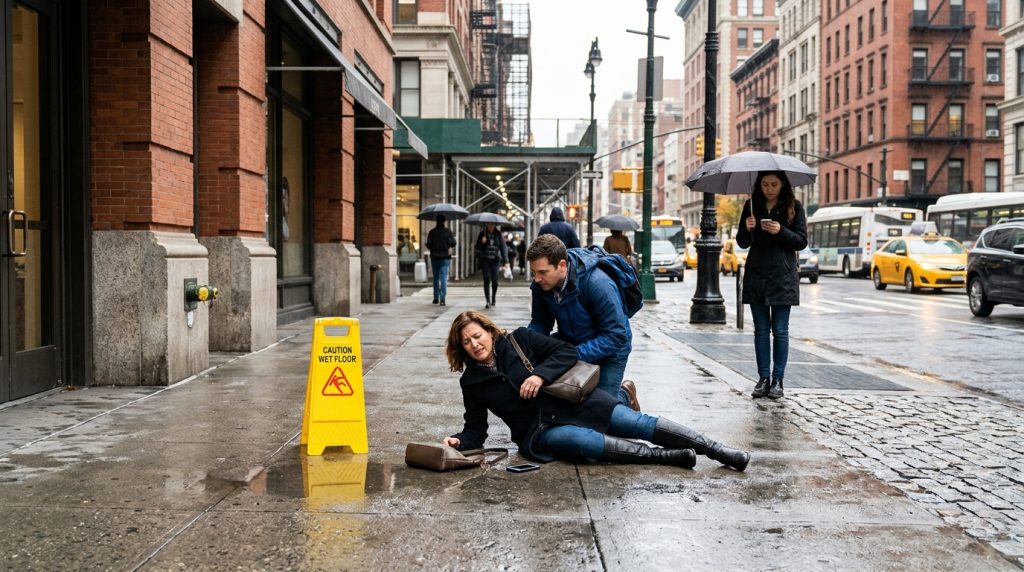
Slip and Fall Accidents in NYC: Proving Liability in Personal Injury Cases

Slip and fall accidents are among the most common personal injury claims in New York City, Brooklyn, Queens, The Bronx, Staten Island, and surrounding areas like Nassau County and Suffolk County. While these incidents may seem straightforward, proving liability in a slip and fall case requires a thorough understanding of premises liability law and the specific negligence standards that apply in New York. At Tini Law, P.C., we help injured victims navigate these complex claims to secure the compensation they deserve.

Understanding Premises Liability in New York

Premises liability forms the legal foundation for slip and fall personal injury cases. Property owners and occupiers have a legal duty to maintain their premises in a reasonably safe condition. When they fail to do so and someone is injured as a result, they may be held liable for damages.

In New York, premises liability law distinguishes between different categories of visitors: invitees, licensees, and trespassers. This classification affects the duty of care owed by the property owner. Invitees—such as customers in a store or tenants in an apartment building—receive the highest level of protection under the law.

The Four Essential Elements of Proving Slip and Fall Liability

1. Establishing Duty of Care

The first step in proving personal injury liability is establishing that the property owner owed you a duty of care. Property owners in Manhattan, Brooklyn, Queens, The Bronx, and Staten Island must maintain their premises in a reasonably safe condition. This includes regular inspections, prompt removal of hazards, and adequate warnings about known dangers.

2. Demonstrating Breach of Duty

Once duty is established, you must prove the property owner breached that duty. This might involve showing they failed to clean up a spill, neglected to repair a cracked sidewalk, or didn’t salt icy walkways during winter months. Documentation is critical—photos, maintenance records, and witness statements all support your claim.

3. Causation: Connecting the Breach to Your Injury

You must establish a direct link between the property owner’s negligence and your slip and fall accident. This requires medical evidence showing your injuries resulted from the fall, not from a pre-existing condition. Expert testimony may be necessary to demonstrate how the hazardous condition caused your specific injuries.

4. Proving Damages

Finally, you must quantify your losses. Damages in slip and fall cases include medical expenses, lost wages, pain and suffering, and in serious cases, permanent disability. Thorough documentation of all expenses and ongoing treatment is essential to maximize your recovery.

Common Challenges in NYC Slip and Fall Cases

Proving liability in New York’s urban environment presents unique challenges. Property owners may argue that the hazardous condition was obvious and you should have been more careful. They might claim the dangerous condition was temporary and they had no notice of it.

Additionally, New York’s “reasonable care” standard requires property owners to conduct regular inspections. If you can demonstrate they failed to do so—or that their inspection procedures were inadequate—this strengthens your personal injury claim significantly. This distinction matters whether your accident occurred on a commercial property in Manhattan, a residential building in Brooklyn, or along a sidewalk in Queens.

Notice and Foreseeability

A critical factor in slip and fall liability is whether the property owner had actual or constructive notice of the hazard. Actual notice means they directly knew about the danger. Constructive notice means they should have known through reasonable inspection procedures.

The longer a hazardous condition existed, the stronger the inference that the property owner should have discovered it. If a puddle remained on a store floor for hours without being cleaned or marked with a warning sign, the property owner likely had constructive notice. The same applies to ice accumulation on walkways in Nassau County or Suffolk County during winter months.

Documentation and Evidence

Successful slip and fall personal injury cases depend on comprehensive evidence collection. Immediately after your accident, obtain contact information from witnesses. Report the incident to the property owner or manager and request a written incident report. Take photographs of the hazardous condition, your injuries, and the surrounding area.

Preserve all medical records and receipts related to your treatment. Keep a detailed journal documenting your pain, limitations, and recovery progress. This evidence is invaluable when negotiating with insurance companies or presenting your case to a jury.

Why Professional Legal Representation Matters

Personal injury claims involving slip and fall accidents require expertise in premises liability law. Property owners and their insurance carriers have experienced defense attorneys working to minimize their liability. Having a skilled personal injury lawyer from Tini Law, P.C. levels the playing field.

Our team understands the nuances of New York law and how courts in Manhattan, Brooklyn, Queens, The Bronx, Staten Island, Nassau County, and Suffolk County approach slip and fall cases. We gather evidence, retain expert witnesses when necessary, and negotiate aggressively on your behalf.

For more information about how we approach personal injury cases, check out our FAQ Videos where we address common questions about slip and fall liability.

Taking Action After Your Slip and Fall

If you’ve suffered injuries from a slip and fall accident in New York, don’t delay seeking legal counsel. New York law imposes strict time limits—typically three years from the date of injury—for filing a personal injury lawsuit. The sooner you contact an attorney, the sooner we can begin investigating your claim and gathering crucial evidence.

Contact Tini Law, P.C. today for a free consultation about your slip and fall personal injury case. We serve clients throughout Manhattan, Brooklyn, Queens, The Bronx, Staten Island, Nassau County, and Suffolk County. Let our experienced attorneys help you prove liability and recover the compensation you deserve.

Can I Appeal a Family Court Decision in the Bronx? Understanding Appellate Rights

Can I Appeal a Family Court Decision in the Bronx? Understanding Appellate Rights

Family court decisions can significantly impact your life, affecting custody arrangements, child support, spousal maintenance, and property division. If you’re dissatisfied with a judgment rendered in Bronx Family Court, you may have the right to appeal. Understanding the appellate process and your options is crucial to protecting your legal interests.

Understanding Family Court Appeals in New York

Appellate rights in family law matters are governed by New York’s appellate procedures and the Domestic Relations Law. Unlike criminal law appeals—which we discuss in detail on our Criminal Law page—family court appeals follow specific protocols tailored to domestic relations cases. Not every family court decision is automatically appealable, and strict procedural requirements must be met to preserve your rights.

When you file an appeal in the Bronx, your case moves from Family Court to the Appellate Division, First Department, which oversees Manhattan, the Bronx, and several surrounding counties. This appellate court reviews decisions for legal errors, abuse of discretion, or findings that lack evidentiary support.

What Family Court Decisions Can Be Appealed?

Appealable Judgments and Orders

Most final orders and judgments in family court matters are appealable, including:

  • Custody determinations – decisions regarding custody of minor children
  • Child support orders – establishment or modification of child support obligations
  • Spousal maintenance – alimony and maintenance awards
  • Property division – distribution of marital assets and debts
  • Visitation rights – schedules and terms of parental access
  • Protective orders – family offense proceedings and orders of protection

Interlocutory Appeals

In certain circumstances, you may appeal non-final orders before the case concludes. These interlocutory appeals are permitted when the trial court certifies that the question involves a substantial constitutional question or when the Appellate Division grants permission. This procedural option requires specific legal grounds and prompt action.

Strict Time Deadlines for Filing Appeals in the Bronx

One of the most critical aspects of appealing a family court decision is understanding the strict filing deadlines. In New York, you generally have 30 days from the date judgment is entered to file a notice of appeal in Bronx Family Court. Missing this deadline can result in losing your appellate rights permanently, with limited exceptions.

The clock begins running when the court enters the judgment or order, not when you receive notice of it. This is why immediate consultation with an appellate attorney is essential. If you’ve recently received an unfavorable family court decision, don’t delay—contact our experienced team to review your case and determine whether an appeal is viable.

Grounds for Appealing Family Court Decisions

Legal Error

The appellate court will reverse a family court decision if the judge misapplied the law, failed to consider relevant statutes or case precedent, or violated procedural rules. Examples include improper application of child support guidelines or failure to consider all statutory factors in custody determinations.

Abuse of Discretion

Family court judges have considerable discretion in family matters, particularly regarding custody and maintenance. However, this discretion is not unlimited. An abuse of discretion occurs when the judge’s decision falls outside the range of permissible choices or is arbitrary and capricious.

Insufficient Evidence

If the appellate court finds that the judgment is not supported by substantial evidence in the record, it may reverse or modify the decision. This requires demonstrating that the trial court’s factual findings lack adequate evidentiary support.

The Appellate Process in the First Department

After filing your notice of appeal in Bronx Family Court, your case is transferred to the Appellate Division, First Department. You’ll prepare an appellate brief presenting legal arguments for why the family court decision should be reversed or modified. The opposing party files a responding brief, and you may submit a reply brief.

The appellate court reviews the written record from the trial court—there is no new trial or presentation of evidence. Oral argument may be granted, allowing attorneys to address the judges directly about key issues in the case.

Navigating Complex Appellate Issues

Family law appeals often involve complex issues requiring specialized knowledge. Whether your appeal involves custody modifications, child support calculations, or property distribution disputes, understanding appellate procedure is as crucial as understanding substantive family law. While our practice encompasses various areas including Bankruptcy Law, International Law, Construction Law, and Criminal Law, our appellate expertise spans family law matters with particular focus on Bronx, Brooklyn, Queens, Manhattan, Staten Island, and surrounding counties including Nassau and Suffolk County.

Take Action Today

If you’ve received an unfavorable family court decision, your appellate rights are time-sensitive. Contact Tini Law, P.C. today for a consultation to discuss your case and explore your options. Our experienced appellate attorneys serve clients throughout the Bronx, Brooklyn, Queens, Manhattan, Staten Island, Nassau County, and Suffolk County, New York. We also offer FAQ Videos addressing common questions about the appellate process. Don’t let the 30-day deadline pass—reach out now to protect your rights.

Staten Island Construction Defect Claims: What Homeowners Need to Know

Staten Island Construction Defect Claims: What Homeowners Need to Know

Staten Island Construction Defect Claims: What Homeowners Need to Know

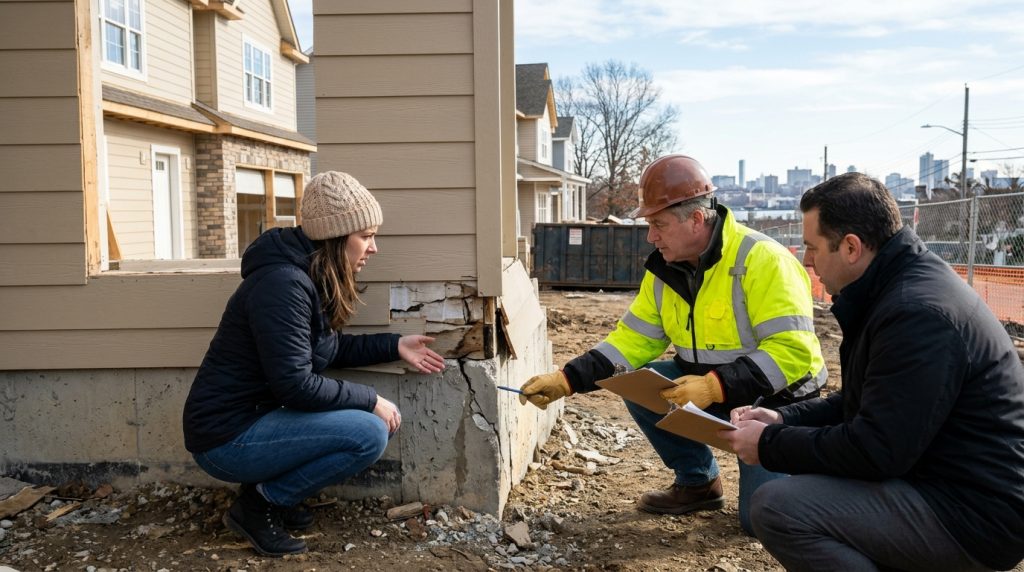
If you’ve recently discovered structural issues, water damage, or other defects in your Staten Island home, you may have grounds for a construction defect claim. Construction defects can range from minor cosmetic issues to serious structural problems that compromise your home’s safety and value. Understanding your legal rights and options is essential for protecting your investment.

At Tini Law, P.C., we’ve helped numerous Staten Island homeowners navigate construction defect claims against builders, contractors, and developers. Our experienced construction law team understands the complexities of New York construction litigation and knows how to build a compelling case on your behalf.

What Constitutes a Construction Defect in New York?

A construction defect is any deviation from the original plans, specifications, or building codes that results in improper construction quality. In Staten Island and throughout New York, construction defects can include:

  • Structural defects: Foundation problems, cracked walls, or compromised load-bearing components
  • Water intrusion issues: Roof leaks, basement flooding, or moisture damage
  • Electrical and plumbing deficiencies: Faulty wiring, inadequate drainage systems, or code violations
  • HVAC problems: Improper installation or sizing of heating and cooling systems
  • Material defects: Use of substandard or defective building materials
  • Workmanship issues: Poor installation or failure to follow industry standards

Understanding Your Legal Rights in Staten Island

New York law provides homeowners with several avenues to pursue construction defect claims. These legal remedies protect your rights as a property owner and help ensure accountability from builders and contractors responsible for substandard work.

Breach of Warranty Claims

When a builder or contractor constructs your home, they implicitly warrant that the work will be performed in a professional manner and comply with all applicable building codes. If defects appear, you may have a breach of warranty claim. New York recognizes both express warranties (written promises) and implied warranties (assumed standards of quality).

Negligence and Professional Liability

You can pursue a negligence claim if you can demonstrate that the contractor or builder failed to exercise reasonable care in their work. This requires proving that the defendant owed you a duty of care, breached that duty, and caused damages as a result. Our construction law team has extensive experience establishing negligence in complex building projects throughout Staten Island, Brooklyn, Queens, The Bronx, and Nassau County.

Statute of Limitations Considerations

It’s critical to understand New York’s statute of limitations for construction defect claims. Generally, you have three years from the discovery of the defect to file a claim. However, the timeline becomes more complex in cases involving latent defects—issues that aren’t immediately visible. Consulting with our experienced legal team early in the process can help protect your rights and ensure you don’t miss critical deadlines.

Steps to Take After Discovering Construction Defects

Document Everything

Thoroughly photograph and document all visible defects, including dates, locations, and progression. Keep records of any communications with the builder or contractor regarding the issues. This evidence becomes invaluable during litigation.

Obtain Professional Inspection Reports

Hire independent structural engineers, home inspectors, or other construction professionals to evaluate the defects. These expert reports provide technical documentation of the problems and establish a clear link between the defects and construction practices.

Preserve Evidence

Avoid making repairs that might obscure the original defects. Defendants may challenge claims by arguing the damage resulted from maintenance issues rather than construction defects. Preserving evidence maintains the integrity of your claim.

Consult a Construction Defect Attorney

Before taking any formal action, speak with a qualified construction law attorney. Early legal guidance helps you understand your specific situation and develop a strategy tailored to your case.

Construction Defect Litigation Process

Construction defect cases typically progress through several stages. Your case may involve negotiations, mediation, or formal litigation. Throughout this process, your attorney will work to establish liability, quantify damages, and pursue fair compensation.

These cases often require expert testimony from structural engineers, contractors, and other specialists who can explain technical construction standards to judges and juries. Our team at Tini Law, P.C. has established relationships with leading construction experts throughout the New York area and knows how to effectively present complex technical evidence.

Protect Your Property and Investment

Construction defects can significantly impact your home’s value and your family’s safety. Whether you’re in Staten Island, Brooklyn, Queens, Nassau County, or Suffolk County, you deserve representation that understands both construction practices and New York law.

If you’re uncertain whether your home’s issues qualify as construction defects, our FAQ videos provide helpful information about common construction problems and legal concepts. For detailed guidance, our experienced attorneys are ready to discuss your specific situation.

Contact Tini Law, P.C. today for a comprehensive consultation about your Staten Island construction defect claim. Our aggressive, experienced legal team will fight to protect your rights and recover compensation for defective construction.

How to Fight a DUI Charge in Nassau County: Criminal Defense Strategies That Work

How to Fight a DUI Charge in Nassau County: Criminal Defense Strategies That Work

A DUI charge in Nassau County can have devastating consequences for your life, career, and driving privileges. Whether you’ve been arrested for driving under the influence of alcohol or drugs, understanding your legal options is critical. At Tini Law, P.C., we’ve successfully defended countless clients facing DUI charges throughout Nassau County and surrounding areas in New York. This comprehensive guide outlines proven criminal defense strategies that can help protect your rights and future.

Understanding DUI Laws in Nassau County

New York Vehicle and Traffic Law defines DUI as operating a motor vehicle while impaired by alcohol or drugs, or with a blood alcohol content (BAC) of 0.08% or higher. Nassau County prosecutors aggressively pursue these cases, but that doesn’t mean you’re without defense options. The key to mounting an effective defense is understanding how DUI cases are built and where weaknesses may exist.

DUI convictions can result in license suspension, substantial fines, jail time, increased insurance rates, and a permanent criminal record. For more information on how our criminal law team approaches these complex cases, explore our detailed practice overview.

Challenge the Traffic Stop

One of the most effective criminal defense strategies involves challenging the initial traffic stop. Law enforcement must have reasonable suspicion to stop your vehicle. Without proper justification, any evidence obtained from the stop may be inadmissible in court.

What Constitutes Reasonable Suspicion?

Officers must observe specific traffic violations or suspicious behavior before initiating a stop. Common indicators they cite include swerving, speeding, or failure to maintain lane position. However, many stops are based on pretextual reasons or insufficient evidence. Our experienced Nassau County DUI attorneys examine police dashcam footage, dispatch records, and witness statements to determine whether the stop was legally justified. If we can prove the stop was improper, charges may be dismissed entirely.

Question the Accuracy of Field Sobriety Tests

Field sobriety tests (FSTs) are frequently used to establish probable cause for DUI arrest, but they’re far from foolproof. The National Highway Traffic Safety Administration recognizes three standardized tests: the horizontal gaze nystagmus (HGN), walk-and-turn, and one-leg stand tests.

FST Reliability Concerns

These tests have significant error rates and can be affected by numerous factors unrelated to impairment, including medical conditions, fatigue, weather conditions, and poor road surfaces. A skilled criminal defense attorney will investigate whether proper testing procedures were followed and whether alternative explanations exist for the test results. Expert witnesses can often demonstrate that FST failure doesn’t necessarily indicate impairment.

Challenge Breathalyzer and Chemical Test Results

Breathalyzer and blood test results are often considered the most damaging evidence in DUI cases, yet they’re subject to numerous technical challenges. These devices require proper calibration, maintenance, and operator certification. If proper protocols weren’t followed, test results may be unreliable or inadmissible.

Common Chemical Test Defenses

Potential defenses include improper calibration, lack of operator certification, contaminated samples, and violations of proper testing procedures. Additionally, certain medical conditions and medications can artificially elevate BAC readings. Our Nassau County DUI defense team has extensive knowledge of the specific testing procedures and equipment used by local police departments, allowing us to identify procedural violations that undermine the prosecution’s case.

Evaluate Miranda Rights Compliance

Statements made during police custody must be preceded by proper Miranda warnings. If law enforcement failed to inform you of your rights before questioning, your statements may be excluded from evidence. This can significantly weaken the prosecution’s case, particularly if they relied on admissions you made during custody.

Investigate Police Conduct and Officer Credibility

DUI convictions often depend heavily on officer testimony. Examining an officer’s training, experience, and history of complaints can reveal credibility issues or patterns of misconduct. If an officer has a history of improper DUI investigations or false testimony, their credibility becomes questionable.

We thoroughly investigate officers’ backgrounds and conduct to identify any evidence that might be used to challenge their testimony in court.

Explore Negotiation and Plea Alternatives

Depending on your circumstances, negotiating with Nassau County prosecutors may result in reduced charges or alternative resolutions. Depending on case specifics, pleading to a lesser offense like imprudent speed or failure to exercise due care might be preferable to a DUI conviction. Our team evaluates all options before proceeding to trial.

Why Choose Tini Law, P.C. for Your DUI Defense

At Tini Law, P.C., we understand that DUI charges demand aggressive, strategic defense. Our attorneys have successfully represented clients throughout Nassau County and other areas of New York, including Brooklyn, Queens, The Bronx, Staten Island, and Suffolk County.

We provide personalized representation tailored to your specific situation. If you’d like to learn more about our approach to criminal defense, check out our FAQ Videos where our attorneys address common questions about DUI cases and other criminal law matters.

We also handle other complex legal matters. Our attorneys practice in multiple areas including bankruptcy law, international law, and construction law, demonstrating our comprehensive legal expertise across diverse practice areas.

Take Action Today

A DUI charge in Nassau County requires immediate professional attention. The decisions you make now can dramatically impact your future. Don’t face these charges alone. Contact Tini Law, P.C. today for a confidential consultation with an experienced criminal law attorney. We’ll review the specifics of your case, explain your options, and develop a defense strategy designed to protect your rights and achieve the best possible outcome. Call now—your future depends on it.

Chapter 7 vs Chapter 13 Bankruptcy in New York: Which Is Right for You?

Chapter 7 vs Chapter 13 Bankruptcy in New York: Which Is Right for You?

Facing overwhelming debt can feel isolating, but you’re not alone. Thousands of New York residents—from Manhattan to Staten Island and across Nassau and Suffolk Counties—turn to bankruptcy protection each year to regain financial stability. Understanding the differences between Chapter 7 and Chapter 13 bankruptcy is the first critical step toward choosing the right path for your situation.

At Tini Law, P.C., we help individuals throughout New York navigate complex bankruptcy proceedings with clarity and confidence. This guide breaks down the key distinctions between these two common bankruptcy options.

Understanding Bankruptcy: Chapter 7 vs Chapter 13

Bankruptcy isn’t a one-size-fits-all solution. The chapter you file under determines how your debts are handled, what assets you keep, and how long the process takes. Both Chapter 7 and Chapter 13 offer legitimate paths to debt relief, but they work in fundamentally different ways.

Chapter 7 Bankruptcy: Liquidation and Fresh Start

How Chapter 7 Works

Chapter 7 bankruptcy, also called straight bankruptcy or liquidation bankruptcy, involves selling non-exempt assets to pay creditors. A court-appointed trustee manages this process, distributing proceeds according to federal priority rules. Remaining eligible debts are then discharged, giving you a genuine fresh start.

Who Qualifies for Chapter 7

Not everyone qualifies for Chapter 7. You must pass the means test, which compares your income to the median household income in New York. If your income is below the state median, you likely qualify. If it exceeds the median, the means test calculates whether you have enough disposable income to pay debts, potentially disqualifying you from Chapter 7.

Timeline and Costs

Chapter 7 is typically faster than Chapter 13, lasting three to six months from filing to discharge. This brevity makes it attractive to many debtors in Brooklyn, Queens, and throughout New York’s five boroughs. However, it requires surrendering non-exempt property, which is the trade-off for rapid debt elimination.

What You Can Keep

New York bankruptcy law provides exemptions protecting certain assets, including:

  • Primary residence equity up to $268,550 (federal exemption)
  • Personal vehicles (subject to equity limits)
  • Essential household furnishings and clothing
  • Retirement accounts and ERISA-qualified plans
  • Tools of your trade

Chapter 13 Bankruptcy: Reorganization and Repayment

How Chapter 13 Works

Chapter 13 bankruptcy, called reorganization bankruptcy, allows you to keep your assets while repaying debts through a court-approved repayment plan. Rather than liquidation, you propose how you’ll repay creditors over three to five years, typically at reduced amounts.

The Repayment Plan

Your Chapter 13 plan must be feasible based on current income and expenses. You make monthly payments to a bankruptcy trustee, who distributes funds to creditors according to the plan. Unsecured debts (credit cards, medical bills) may receive partial repayment or nothing, while secured debts (mortgages, car loans) receive priority.

Key Advantages of Chapter 13

Chapter 13 offers several benefits for Manhattan, Brooklyn, and Queens residents facing financial difficulty:

  • Asset Protection: You retain all property, including homes and vehicles
  • Mortgage Arrears: Chapter 13 can cure mortgage delinquency over the plan period, preventing foreclosure
  • Second Mortgages: You may eliminate second mortgages if your primary home’s value doesn’t support them
  • Co-signer Protection: Your bankruptcy plan prevents creditors from pursuing co-signers
  • Debt Reduction: Unsecured debts may be substantially reduced

Key Differences at a Glance

Factor Chapter 7 Chapter 13
Duration 3-6 months 3-5 years
Asset Liquidation Yes No
Repayment Plan None Required
Home Protection Limited Strong
Qualification Means test required Income-based plan

Choosing Between Chapter 7 and Chapter 13 in New York

The right choice depends on your specific circumstances. Consider Chapter 7 if you have limited assets, substantial unsecured debt, and income below New York’s median. Choose Chapter 13 if you want to keep your home, have regular income, or face mortgage delinquency.

Your bankruptcy decision may also intersect with other legal matters. For instance, if you’re involved in construction disputes, real estate conflicts, or other complex situations, comprehensive legal counsel becomes even more critical. At Tini Law, P.C., we handle diverse practice areas including construction law, criminal law, and international law, ensuring holistic representation for our clients throughout Brooklyn, Queens, Manhattan, The Bronx, Staten Island, Nassau County, and Suffolk County.

Get Expert Bankruptcy Guidance Today

Both Chapter 7 and Chapter 13 bankruptcy offer legitimate debt relief, but the optimal choice requires analyzing your income, assets, debts, and long-term goals. The experienced bankruptcy attorneys at Tini Law, P.C. understand New York’s unique bankruptcy landscape and will guide you toward the solution that best serves your financial future.

Ready to explore your options? Visit our Bankruptcy Law page to learn more about how we serve clients across New York, or check out our FAQ Videos for quick answers to common bankruptcy questions.

Contact Tini Law, P.C. today for a confidential consultation. Let us help you navigate bankruptcy and move toward financial recovery.

NYC Landlord-Tenant Disputes: When Do You Need a Real Estate Lawyer in Queens?

NYC Landlord-Tenant Disputes: When Do You Need a Real Estate Lawyer in Queens?

Navigating landlord-tenant disputes in Queens and throughout New York City can be overwhelming without proper legal guidance. Whether you’re a property owner dealing with problematic tenants or a renter facing unfair eviction proceedings, understanding when to seek professional help is crucial. At Tini Law, P.C., we’ve handled countless real estate and landlord-tenant disputes across Manhattan, Brooklyn, Queens, The Bronx, and Staten Island, helping clients protect their rights and interests.

Common Landlord-Tenant Disputes in Queens

Landlord-tenant disputes in Queens range from minor disagreements to complex legal matters that can have serious financial and housing consequences. Understanding the most prevalent issues can help you determine whether you need professional legal representation.

Eviction Cases and Non-Payment of Rent

One of the most common landlord-tenant conflicts involves eviction proceedings. In Queens, landlords must follow strict legal procedures to evict tenants, including serving proper notice and filing in housing court. Many landlords attempt to handle evictions independently, but improper procedures can invalidate the entire case. Similarly, tenants facing eviction may have valid defenses, such as constructive eviction or illegal lockouts, that only an experienced real estate lawyer can effectively present. If you’re involved in an eviction dispute, consulting with a Queens real estate lawyer early can make the difference between success and costly delays.

Security Deposit Disputes

New York State law strictly regulates how landlords handle security deposits. Disputes over withholding deposits for damages, unpaid rent, or alleged lease violations are frequent in Queens rental properties. Landlords must return deposits within a specific timeframe and provide itemized deductions. Tenants can recover up to double the wrongfully withheld amount plus interest. These disputes often escalate quickly, making professional representation essential.

Habitability and Maintenance Issues

Tenants in Queens have the right to inhabit safe, sanitary living spaces. Disputes over heating, mold, pest infestations, plumbing, and structural issues frequently lead to legal conflicts. Landlords who fail to maintain properties can face significant liability, while tenants may have rights to rent abatement or lease termination. A real estate lawyer can help determine whether conditions violate housing codes and what remedies are available.

When to Hire a Real Estate Lawyer in Queens

Certain situations clearly warrant professional legal intervention. Recognizing these scenarios can help you avoid costly mistakes and protect your rights.

You’re Facing Eviction or Filing an Eviction

If you’re a tenant receiving an eviction notice or a landlord initiating eviction proceedings, immediate legal consultation is necessary. Housing court procedures in Queens are complex, and missing deadlines or procedural requirements can be fatal to your case. A real estate lawyer can file proper responses, assert valid defenses, and represent you at court hearings.

Complex Lease Disputes or Breach of Contract

When disputes involve lease modifications, alleged breaches, or contract interpretation, legal expertise becomes invaluable. Real estate lawyers understand New York property law and can analyze whether either party has violated lease terms and what remedies apply.

Property Damage Claims and Liability Issues

Disputes involving significant property damage, personal injury on the premises, or extensive repair disputes often require professional representation. These matters can involve both contract law and tort law, requiring comprehensive legal strategy.

Rent Control and Stabilization Issues

Many Queens properties fall under rent stabilization or rent control regulations. Disputes over legal rent increases, lease renewals, or eviction grounds under these protections demand experienced counsel familiar with these specialized regulations.

Benefits of Professional Legal Representation

Hiring an experienced real estate lawyer provides numerous advantages in landlord-tenant disputes:

  • Procedural Expertise: Housing court has specific rules and procedures that must be followed precisely
  • Strategic Advantage: Lawyers can identify weaknesses in opposing arguments and develop effective counterarguments
  • Negotiation Skills: Many disputes settle outside court; skilled negotiators often achieve better outcomes
  • Damage Mitigation: Professional representation can minimize financial losses and protect future interests
  • Documentation Management: Proper organization and presentation of evidence significantly impacts case outcomes

Real Estate Legal Services Beyond Landlord-Tenant Disputes

At Tini Law, P.C., our real estate practice extends beyond landlord-tenant matters. We handle construction law disputes, property transactions, and complex commercial real estate issues. Our comprehensive approach means we understand how different legal areas intersect with your real estate concerns.

Additionally, if your real estate dispute has international dimensions—for example, property owned by foreign nationals or cross-border transactions—our international law expertise can assist. We’ve also helped clients whose disputes intersect with bankruptcy law, criminal law, or other practice areas.

For detailed information about our services and how we approach specific legal challenges, visit our FAQ Videos page to see answers to common questions from property owners and tenants throughout New York City.

Don’t Navigate Landlord-Tenant Disputes Alone

Landlord-tenant disputes in Queens and throughout New York City require specialized knowledge and strategic thinking. Whether you’re facing eviction, dealing with non-paying tenants, or addressing maintenance disputes, professional legal representation significantly improves outcomes. The costs of inadequate legal guidance—lost rent, failed evictions, or improper lease terminations—far exceed the investment in quality legal counsel.

Contact Tini Law, P.C. today for a consultation with an experienced real estate lawyer who understands Queens, Brooklyn, Manhattan, The Bronx, Staten Island, Nassau County, and Suffolk County landlord-tenant law. Our team is ready to protect your rights and guide you through every step of your dispute.

How Much Does It Cost to File for Divorce in Brooklyn, NY? 2024 Fee Breakdown

How Much Does It Cost to File for Divorce in Brooklyn, NY? 2024 Fee Breakdown

Divorce is one of life’s most challenging transitions, and for many Brooklyn residents, the financial implications add another layer of complexity. Understanding the costs associated with filing for divorce in Brooklyn, NY is essential for planning your legal strategy and protecting your financial future. At Tini Law, P.C., we believe in transparent pricing and helping clients navigate the divorce process with clarity and confidence.

Understanding Divorce Filing Fees in Brooklyn, NY

The cost of filing for divorce in Brooklyn varies depending on several factors, including whether your case is contested or uncontested, the complexity of your financial situation, and the level of legal representation required. As of 2024, the New York State filing fee for a divorce action is $210, which is a statutory requirement that all petitioners must pay when initiating proceedings in Brooklyn Family Court.

However, this filing fee represents only a small portion of the total cost you may incur throughout the divorce process. Most individuals and couples face additional expenses that extend far beyond this initial court fee.

Breaking Down Divorce Costs in Brooklyn

Court Filing Fees

The initial $210 filing fee covers the cost of submitting your divorce petition to the Brooklyn Family Court. This fee is non-refundable and must be paid before your case can proceed. If you’re filing as a plaintiff without an attorney, you’ll pay this fee directly to the court clerk.

Attorney Fees and Legal Representation

Legal representation typically constitutes the largest expense in a divorce case. In Brooklyn, most divorce attorneys charge either hourly rates or flat fees. As of 2024, hourly rates for experienced family law attorneys in Brooklyn range from $250 to $500 per hour, though some senior attorneys may charge considerably more.

For uncontested divorces—where both parties agree on property division, spousal support, and child custody—flat fees typically range from $1,500 to $3,500. These simplified cases move quickly through the Brooklyn court system and require minimal litigation.

Contested divorces, where spouses disagree on key issues, are significantly more expensive. These cases often require extensive discovery, court appearances, and negotiations, potentially costing $5,000 to $15,000 or more depending on complexity.

Court-Ordered Evaluations and Services

Complex divorce cases in Brooklyn may require court-ordered services such as:

  • Child custody evaluations conducted by mental health professionals
  • Property appraisals for real estate and valuable assets
  • Forensic accounting when significant financial complexity exists
  • Mediation services to help parties reach settlement agreements

These services can add $1,000 to $5,000 or more to your total divorce expenses.

Document Preparation and Miscellaneous Costs

Additional expenses include court transcript fees, service of process costs, and document preparation fees. While these items may seem minor individually, they collectively can add $500 to $1,500 to your divorce expenses.

Factors That Influence Divorce Costs in Brooklyn

Several variables directly impact the total cost of your Brooklyn divorce. Asset complexity plays a crucial role—couples with substantial real estate holdings, investment portfolios, or business interests in Brooklyn, Queens, Nassau County, or Suffolk County typically face higher legal fees due to the extensive financial analysis required.

The level of cooperation between spouses significantly affects costs. Amicable divorces where both parties work collaboratively with their attorneys cost considerably less than adversarial situations requiring multiple court hearings and depositions.

Custody disputes represent another major cost driver. Cases involving disagreements about child custody, visitation schedules, or child support calculations often require expert testimony and court involvement, substantially increasing legal fees.

Ways to Minimize Divorce Costs

Several strategies can help reduce your divorce expenses in Brooklyn:

Pursue Uncontested Divorce: If you and your spouse can reach agreement on major issues, an uncontested divorce dramatically reduces costs and court time.

Consider Mediation: Professional mediators in Brooklyn can help couples negotiate settlements outside court, often reducing total expenses by 30-50 percent.

Gather Financial Documents: Organizing your financial records before meeting with your attorney reduces the time your lawyer must spend gathering information, lowering billable hours.

Stay Organized: Prompt communication and prepared documentation help your attorney work efficiently, reducing overall legal fees.

Why Professional Legal Representation Matters

While costs are important, investing in experienced legal representation protects your financial interests. A skilled family law attorney ensures your rights are protected, your assets are fairly divided, and custody arrangements prioritize your children’s wellbeing.

At Tini Law, P.C., we handle complex family law matters throughout Manhattan, Brooklyn, Queens, The Bronx, and Staten Island, as well as Nassau and Suffolk Counties. Our attorneys provide transparent fee structures and work strategically to minimize costs while maximizing favorable outcomes.

Get Expert Guidance for Your Brooklyn Divorce

Understanding divorce costs empowers you to make informed decisions about your legal strategy. Whether you’re considering an uncontested divorce or facing a complex contested case, professional guidance is invaluable.

For additional information about our approach to family law matters, explore our FAQ Videos addressing common divorce questions. Our experienced team also handles related legal matters including bankruptcy law for clients managing financial transitions, international law issues affecting cross-border divorces, and other complex legal matters.

Contact Tini Law, P.C. today for a consultation with a Brooklyn divorce attorney who understands your situation and is committed to protecting your interests throughout the process.

What to Do After a Car Accident in Manhattan: A Personal Injury Lawyer’s Guide

What to Do After a Car Accident in Manhattan: A Personal Injury Lawyer’s Guide

Car accidents in Manhattan occur with alarming frequency, often leaving victims uncertain about their legal rights and next steps. As experienced personal injury attorneys serving Manhattan, Brooklyn, Queens, The Bronx, Staten Island, and throughout Nassau and Suffolk Counties, we’ve guided countless clients through the critical hours and days following a collision. This comprehensive guide outlines the essential steps you must take to protect both your health and your legal interests.

Immediate Steps at the Accident Scene

Ensure Safety and Call 911

Your first priority following any car accident is safety. If you or anyone else has sustained injuries, call 911 immediately. Even if injuries seem minor, obtaining medical attention creates an official record that proves invaluable in personal injury claims. New York Vehicle and Traffic Law requires that accidents resulting in injury, death, or property damage exceeding $1,000 must be reported to the police.

Document Everything

If you’re physically able, documentation is crucial. Use your smartphone to photograph vehicle damage, street conditions, traffic signals, skid marks, and any visible injuries. Capture images from multiple angles and distances. In Manhattan’s congested streets, environmental factors like obstructed views, construction zones, or malfunctioning traffic lights may contribute to liability determinations.

Exchange information with all parties involved, including names, contact details, insurance information, license plate numbers, and driver’s license numbers. Collect contact information from witnesses—their statements can prove critical if disputes arise regarding fault.

Avoid Admitting Fault

While you should cooperate with law enforcement, avoid making statements that could be construed as admitting liability. Even apologizing can be interpreted as accepting responsibility. Stick to factual statements when speaking with police officers, other drivers, and insurance representatives. Remember that New York follows a “pure comparative negligence” rule, meaning your compensation can be reduced by your percentage of fault.

Critical Actions in the Days Following Your Accident

Seek Comprehensive Medical Evaluation

Many serious injuries, including whiplash, concussions, and internal injuries, may not manifest symptoms immediately. Visit a healthcare provider within 24-48 hours of your accident, even if you feel fine. This medical evaluation establishes a clear connection between the accident and any injuries, which insurance companies scrutinize closely.

Keep detailed records of all medical treatments, prescriptions, and related expenses. If your injuries prevent you from working, obtain documentation from your employer regarding lost wages.

Notify Your Insurance Company

New York is a “no-fault” insurance state, meaning you’ll initially file a claim with your own insurance company regardless of who caused the accident. You typically have 30 days to file a no-fault claim for medical expenses and lost wages up to your policy limits. However, be cautious when providing statements—insurance adjusters may use your words to minimize your claim’s value.

Preserve Evidence

Maintain all accident-related documentation in one location: police reports, medical records, insurance correspondence, repair estimates, and receipts for expenses. If your vehicle sustained damage, obtain multiple repair estimates before authorizing work. Take photographs of your vehicle’s condition before repairs begin.

Understanding Your Legal Rights in New York

While New York’s no-fault system covers basic economic losses, you may pursue a personal injury lawsuit against the at-fault driver if you’ve sustained a “serious injury” as defined by New York Insurance Law §5102(d). This includes significant disfigurement, bone fractures, permanent limitation of a body system or organ, or significant limitation of a body function or system.

The statute of limitations for personal injury claims in New York is generally three years from the accident date, though exceptions exist. Don’t delay in exploring your legal options, as evidence deteriorates and witness memories fade over time.

When Financial Concerns Arise

Serious accidents can create overwhelming financial pressures from mounting medical bills and lost income. If you’re facing financial hardship, understanding your options is essential. Our bankruptcy law practice can help if debt becomes unmanageable, though personal injury settlements may offer relief before considering that option.

Special Considerations for Manhattan Accidents

Manhattan presents unique accident scenarios. Collisions involving commercial vehicles, construction zones, or international visitors require specialized legal knowledge. If a construction site contributed to your accident, our construction law expertise may prove valuable in identifying additional liable parties.

Accidents involving drivers from other countries may raise complex jurisdictional issues that our international law team can address. Similarly, if you’re charged with a traffic violation following an accident, our criminal law attorneys can protect your rights.

Why Legal Representation Matters

Insurance companies employ experienced adjusters and attorneys whose goal is minimizing payouts. Without legal representation, you’re at a significant disadvantage when negotiating fair compensation for your injuries, lost wages, pain and suffering, and future medical needs.

An experienced personal injury attorney investigates your accident thoroughly, identifies all liable parties, calculates the true value of your claim, and negotiates aggressively with insurance companies. If settlement negotiations fail, we’re prepared to litigate your case through trial.

Take Action to Protect Your Rights

If you’ve been injured in a car accident in Manhattan, Brooklyn, Queens, The Bronx, Staten Island, Nassau County, or Suffolk County, don’t navigate this challenging process alone. At Tini Law, P.C., our personal injury team provides compassionate, results-driven representation to accident victims throughout New York.

Contact us today for a free consultation to discuss your case. We work on a contingency fee basis, meaning you pay no attorney fees unless we recover compensation for you. Visit our FAQ videos page for answers to common questions about personal injury claims, or call our office to speak directly with an experienced attorney who will fight for the compensation you deserve.
What to Do After a Car Accident in Manhattan: A Personal Injury Lawyer’s Guide

What to Do After a Car Accident in Manhattan: A Personal Injury Lawyer’s Guide

Car accidents in Manhattan occur with alarming frequency, often leaving victims confused about their legal rights and next steps. As experienced personal injury attorneys serving New York City’s five boroughs, we’ve guided countless accident victims through the critical hours and days following a collision. Understanding what to do immediately after a car accident can significantly impact your ability to recover compensation and protect your legal interests.

Immediate Steps at the Accident Scene

Ensure Safety and Call 911

Your first priority after any car accident in Manhattan, Brooklyn, Queens, The Bronx, or Staten Island is ensuring everyone’s safety. Move to a safe location if possible, turn on hazard lights, and immediately call 911. New York law requires you to report any accident resulting in injury, death, or property damage exceeding $1,000. A police report creates an official record that becomes invaluable evidence for your personal injury claim.

Document Everything at the Scene

If you’re physically able, comprehensive documentation is crucial. Use your smartphone to photograph vehicle damage from multiple angles, skid marks, traffic signals, street signs, and road conditions. Capture the license plates of all vehicles involved and document any visible injuries. These photographs often prove critical when insurance companies dispute liability or the extent of damages.

Exchange information with all parties, including names, phone numbers, insurance details, and driver’s license numbers. However, avoid discussing fault or making statements about the accident that could be used against you later. Even seemingly innocent apologies can be misconstrued as admissions of liability.

Gather Witness Information

In Manhattan’s bustling streets, witnesses are often present but quickly disappear into the crowd. Obtain contact information from anyone who saw the accident occur. Independent witness testimony can be decisive in establishing fault, particularly in complex intersection collisions common throughout Manhattan and Nassau County.

Critical Actions Within 24-48 Hours

Seek Medical Attention Immediately

Even if you feel fine, seek medical evaluation within 24 hours. Adrenaline often masks injuries like whiplash, concussions, or internal trauma. Delayed medical treatment gives insurance companies ammunition to argue your injuries weren’t serious or weren’t caused by the accident. Medical records establishing the direct connection between the collision and your injuries are essential to any personal injury claim.

Notify Your Insurance Company

New York is a no-fault insurance state, meaning your own insurance company typically covers your medical expenses and lost wages initially, regardless of who caused the accident. Promptly notify your insurer about the accident, but provide only basic facts. Before giving recorded statements or signing any documents, consult with a personal injury attorney who understands New York’s complex insurance regulations.

Preserve All Evidence

Keep all accident-related documents organized in one place: police reports, medical records, repair estimates, rental car receipts, and correspondence with insurance companies. Photograph your injuries as they develop. If your accident involved a commercial vehicle or construction zone, additional regulations may apply—our construction law attorneys can evaluate whether specialized expertise is needed.

Understanding New York’s Personal Injury Laws

The Serious Injury Threshold

New York’s no-fault system limits your ability to sue the at-fault driver unless you’ve sustained a “serious injury” as defined by Insurance Law § 5102(d). This includes significant disfigurement, bone fractures, permanent limitation of body function, or significant limitation of body function. An experienced personal injury attorney can evaluate whether your injuries meet this threshold, allowing you to pursue compensation beyond no-fault benefits.

Statute of Limitations

In New York, you generally have three years from the accident date to file a personal injury lawsuit. However, claims against government entities (such as accidents involving city vehicles) require filing a Notice of Claim within 90 days. Don’t let critical deadlines pass while dealing with injuries and insurance companies.

When to Consult a Personal Injury Attorney

While minor fender-benders may not require legal representation, you should consult an attorney if you’ve sustained significant injuries, face disputed liability, or encounter insurance company resistance. At Tini Law, P.C., we serve clients throughout Manhattan, Brooklyn, Queens, The Bronx, Staten Island, Nassau County, and Suffolk County with comprehensive legal support.

Car accidents often create cascading legal issues. If medical bills are overwhelming, our bankruptcy law team can advise on debt relief options. Accidents involving international visitors may require expertise in international law. If the accident resulted in serious charges, our criminal law attorneys can provide defense representation.

Contact Tini Law, P.C. for a Free Consultation

The hours following a car accident are critical to protecting your legal rights and maximizing your compensation. Don’t navigate this complex process alone. The experienced personal injury attorneys at Tini Law, P.C. offer free consultations to accident victims throughout New York City and Long Island.

Our team handles every aspect of your claim while you focus on recovery. We work on a contingency fee basis, meaning you pay nothing unless we secure compensation for you. For answers to common legal questions, visit our FAQ videos page, or contact us today to discuss your case with a dedicated Manhattan personal injury lawyer.

Time is critical—call Tini Law, P.C. now to protect your rights and pursue the compensation you deserve.
Wrongful Death Claims in New York: Who Can File and What Damages Are Available?

Wrongful Death Claims in New York: Who Can File and What Damages Are Available?

Losing a loved one due to someone else’s negligence or intentional act is devastating. When a death occurs under these circumstances, New York law provides a legal remedy through wrongful death claims. Understanding who has the legal standing to file and what compensation may be recovered is crucial for families seeking justice and financial stability during an impossibly difficult time.

Understanding Wrongful Death Claims in New York

A wrongful death claim arises when a person dies as a result of another party’s negligent, reckless, or intentional conduct. These claims can stem from various incidents, including motor vehicle accidents, medical malpractice, workplace accidents, defective products, or even criminal acts. Whether the death occurred in Manhattan, Brooklyn, Queens, The Bronx, Staten Island, or surrounding areas like Nassau County or Suffolk County, New York’s wrongful death statutes govern how these claims proceed.

New York’s wrongful death law is codified in the Estates, Powers and Trusts Law (EPTL) § 5-4.1, which establishes strict parameters regarding who may bring a claim and what damages may be sought. Unlike personal injury claims where the injured party files suit, wrongful death actions are brought on behalf of the decedent’s estate and beneficiaries.

Who Has Legal Standing to File a Wrongful Death Claim?

New York law is particularly restrictive regarding who may file a wrongful death lawsuit. Understanding these limitations is essential before proceeding with legal action.

The Personal Representative

Only the personal representative (executor or administrator) of the deceased person’s estate has the legal authority to file a wrongful death claim in New York. This representative is typically appointed through the Surrogate’s Court and acts on behalf of the estate and the statutory beneficiaries.

If no personal representative has been appointed, family members must petition the Surrogate’s Court for letters of administration before pursuing a wrongful death claim. This procedural requirement can create delays, making it important to consult with experienced legal counsel promptly after a loss.

Who Are the Beneficiaries?

While only the personal representative can file the lawsuit, the damages recovered are distributed to specific beneficiaries as defined by statute. New York law establishes a hierarchy of beneficiaries:

  • Surviving spouse and children: These are the primary beneficiaries
  • Parents: If there is no surviving spouse or children
  • Siblings: If there are no closer relatives

The personal representative has a fiduciary duty to pursue the claim for the benefit of these statutory beneficiaries, not for distant relatives or non-family members.

What Damages Are Available in New York Wrongful Death Cases?

New York’s approach to wrongful death damages is notably different from many other states. The law focuses primarily on the economic losses suffered by the beneficiaries rather than the decedent’s pain and suffering prior to death.

Economic Damages

The primary recoverable damages in a New York wrongful death action include:

  • Loss of financial support: The present value of income the deceased would have provided to dependents
  • Loss of services: The value of household services, guidance, and care the deceased provided
  • Loss of inheritance: What the beneficiaries would have inherited had the death not occurred prematurely
  • Medical and funeral expenses: Reasonable costs incurred as a result of the fatal injury

Separate Survival Action

In addition to the wrongful death claim, New York law permits a separate “survival action” under EPTL § 11-3.2. This action allows the estate to recover damages the deceased could have claimed had they survived, including:

  • Pain and suffering experienced between the injury and death
  • Medical expenses incurred before death
  • Lost earnings from the time of injury until death

These damages become part of the decedent’s estate and are distributed according to the will or intestacy laws, which may differ from wrongful death beneficiaries.

Special Considerations for Different Types of Cases

Wrongful death claims can arise from various circumstances, each with unique legal considerations. For instance, construction law cases may involve New York Labor Law violations when a worker dies on a job site. Cases involving criminal law aspects may proceed civilly even when criminal charges are filed separately.

International families dealing with wrongful death may face additional complexities addressed through international law considerations. Additionally, if the deceased’s estate faces financial challenges, bankruptcy law issues may intersect with wrongful death proceedings.

Time Limits for Filing

New York imposes a two-year statute of limitations for wrongful death claims, beginning from the date of death (not the date of the underlying incident). Missing this deadline typically bars recovery entirely, making prompt legal consultation essential.

Contact Tini Law, P.C. for Experienced Wrongful Death Representation

Navigating wrongful death claims requires sophisticated legal knowledge and compassionate guidance. At Tini Law, P.C., our experienced personal injury attorneys understand the complexities of New York wrongful death law and are committed to helping families throughout Manhattan, Brooklyn, Queens, The Bronx, Staten Island, Nassau County, and Suffolk County seek the justice and compensation they deserve.

If you’ve lost a loved one due to another party’s negligence or wrongful conduct, time is critical. Contact Tini Law, P.C. today for a confidential consultation to discuss your legal options. For additional information on various legal topics, visit our FAQ Videos page.

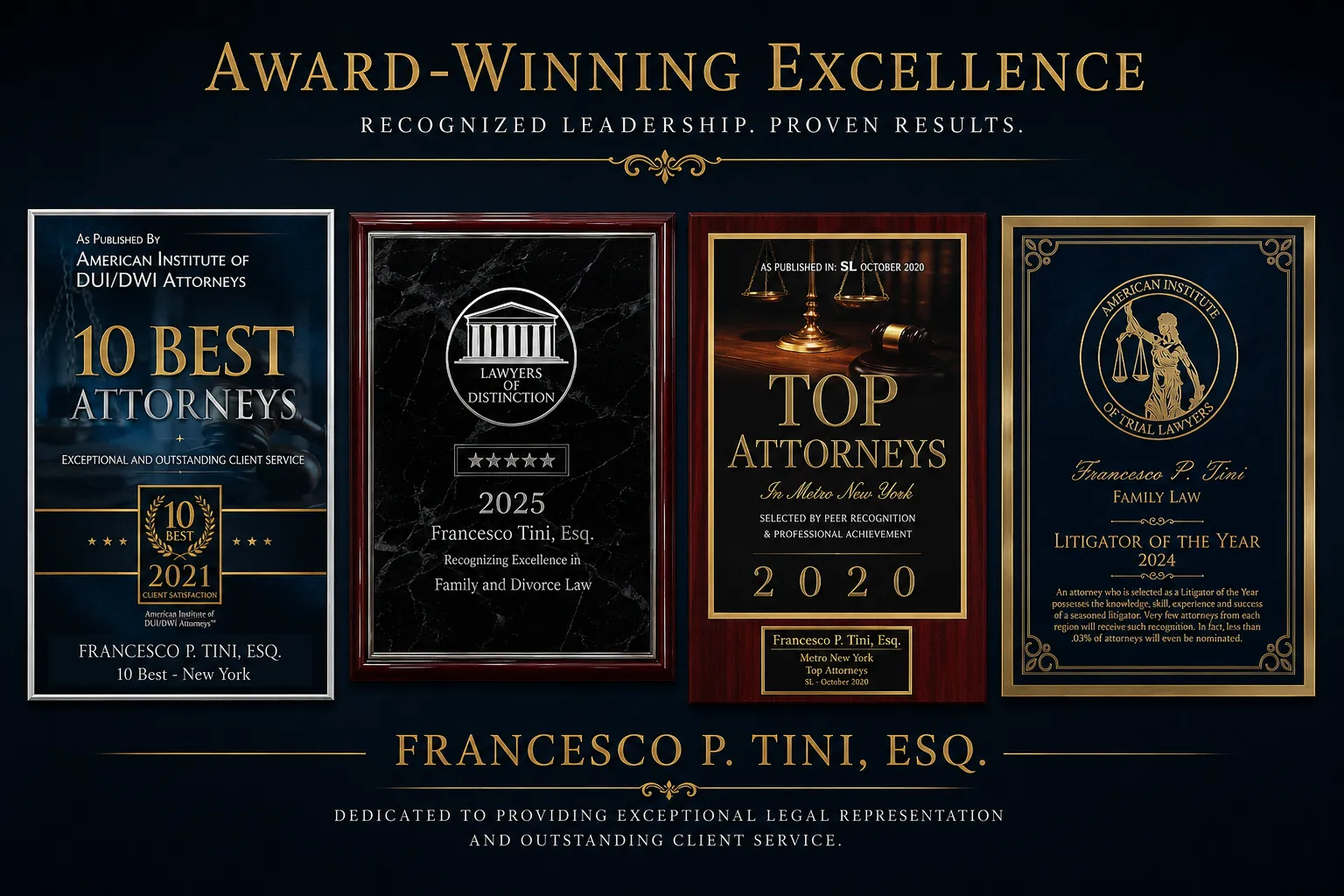
Francesco P. Tini, Esq. — Award-Winning Excellence
Trusted Affiliations
LawPay — secure online payments Proud LGBTQ+ Ally Nassau County Bar Association New York State Bar Association Suffolk County Bar Association
Call Now Free Consult