Slip and Fall Accidents in NYC: Proving Liability in Personal Injury Cases
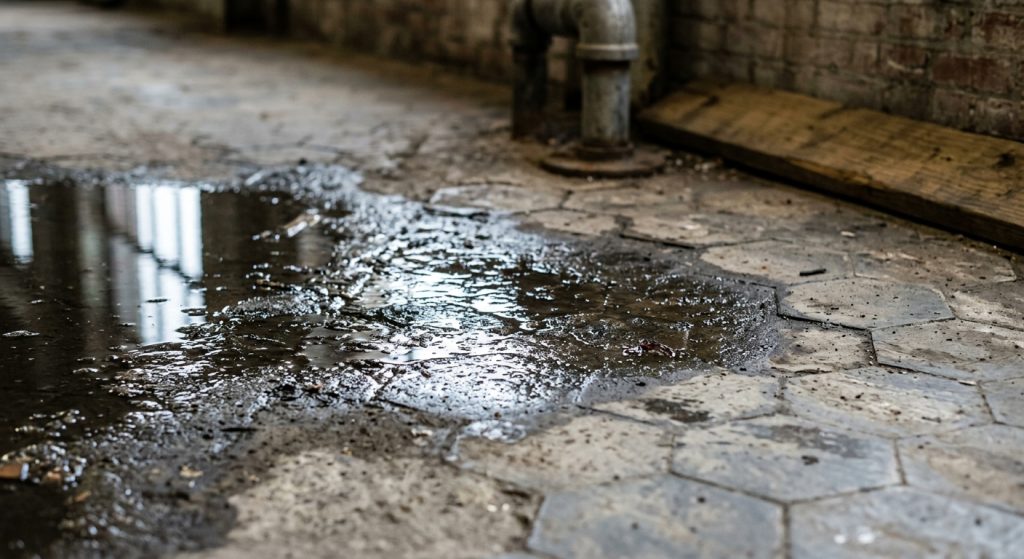
Slip and fall accidents represent one of the most common types of personal injury claims in New York City. Whether occurring in Manhattan’s bustling commercial districts, Brooklyn’s residential neighborhoods, or anywhere across Queens, The Bronx, Staten Island, Nassau County, or Suffolk County, these incidents can result in serious injuries and complex legal challenges. Understanding how to prove liability is crucial for victims seeking compensation.
Understanding Premises Liability in New York
Slip and fall cases fall under premises liability law, which holds property owners and occupiers responsible for maintaining safe conditions. In New York, the legal framework requires plaintiffs to demonstrate that the property owner knew or should have known about the hazardous condition and failed to remedy it or provide adequate warning.
New York courts apply a comparative negligence standard, meaning your compensation may be reduced if you’re found partially at fault for your injuries. This makes establishing clear liability essential to maximizing your recovery.
Common Causes of Slip and Fall Accidents in NYC
New York City’s unique urban environment creates numerous hazards that contribute to slip and fall incidents:
- Weather-related conditions: Snow, ice, and rain create slippery surfaces on sidewalks and building entrances
- Inadequate maintenance: Cracked sidewalks, broken tiles, or uneven flooring
- Poor lighting: Dimly lit stairwells, parking garages, or entryways
- Wet or freshly waxed floors: Without proper warning signage
- Construction debris: Particularly relevant in cases involving construction law and worksite accidents
- Defective or missing handrails: On staircases and ramps
Proving Liability: Essential Elements
Establishing Duty of Care
The first element requires proving that the property owner owed you a duty of care. In New York, property owners must maintain their premises in a reasonably safe condition for lawful visitors. This duty extends to commercial establishments, residential landlords, and even municipal entities responsible for public spaces.
Demonstrating Breach of Duty
You must show that the property owner breached their duty by either creating the dangerous condition or failing to address it within a reasonable timeframe. This often involves proving constructive or actual notice—that the owner knew or should have known about the hazard.
Causation and Damages
The hazardous condition must be the direct cause of your fall and resulting injuries. Medical documentation, witness testimony, and expert analysis help establish this causal link and quantify your damages.
Critical Evidence in Slip and Fall Cases
Building a strong case requires comprehensive evidence collection:
Immediate Documentation
Photograph the accident scene from multiple angles, capturing the hazardous condition, surrounding area, and any relevant warning signs or lack thereof. Document weather conditions if applicable, and obtain contact information from witnesses.
Incident Reports and Records
Request copies of incident reports filed with the property owner or manager. Maintenance records, inspection logs, and prior complaints about the same hazard can demonstrate notice and establish a pattern of negligence.
Medical Evidence
Seek immediate medical attention and maintain detailed records of all treatments, diagnoses, and expenses. Medical documentation connects your injuries directly to the fall and establishes the severity of your damages.
Special Considerations in New York Slip and Fall Cases
New York’s statute of limitations generally allows three years from the date of injury to file a personal injury lawsuit. However, claims against municipal entities require filing a notice of claim within 90 days—a critical deadline that demands immediate legal action.
Cases involving international visitors or foreign property owners may introduce international law complexities. Similarly, accidents on construction sites often intersect with construction law regulations and may involve multiple liable parties.
In some instances, property owners may attempt to criminalize victims by filing false reports or counterclaims. Understanding your rights under criminal law protections is essential in these situations.
Financial Recovery and Bankruptcy Concerns
Serious slip and fall injuries can result in mounting medical bills and lost wages. If you’re struggling with debt while pursuing your personal injury claim, understanding how bankruptcy law intersects with personal injury settlements is important, as your potential recovery may affect bankruptcy proceedings.
Contact Tini Law, P.C. for Expert Representation
Proving liability in slip and fall cases requires legal expertise, thorough investigation, and strategic advocacy. At Tini Law, P.C., our experienced personal injury attorneys serve clients throughout Manhattan, Brooklyn, Queens, The Bronx, Staten Island, Nassau County, and Suffolk County. We understand New York’s complex premises liability laws and have successfully recovered compensation for countless slip and fall victims.
Don’t navigate this challenging legal process alone. For answers to common questions about personal injury claims, visit our FAQ videos page. Contact Tini Law, P.C. today for a comprehensive case evaluation and learn how we can help you secure the compensation you deserve.