Evicting a Problem Tenant in Brooklyn: NYC Landlord Legal Requirements
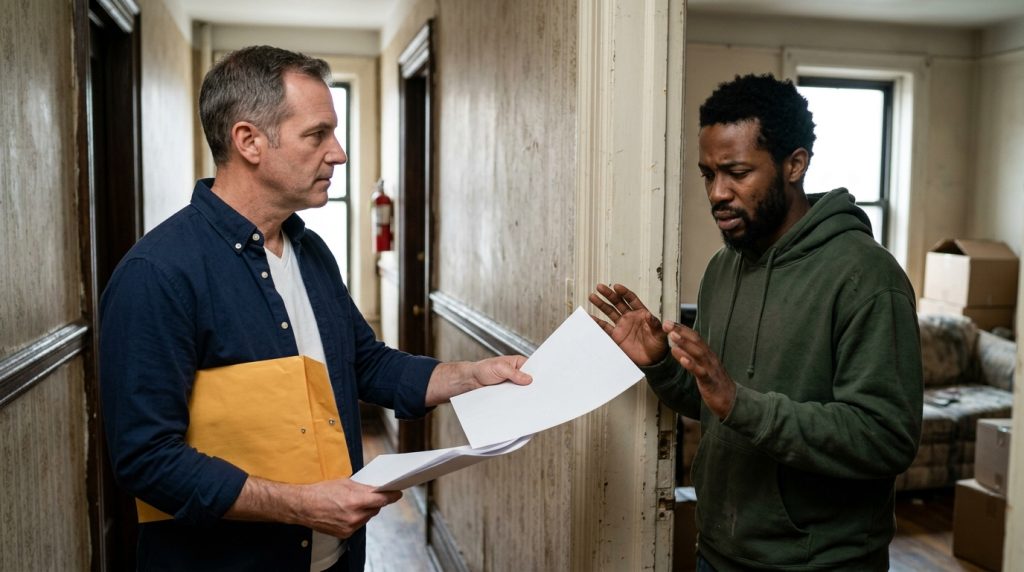
Evicting a problem tenant in Brooklyn requires strict adherence to New York City and State housing laws. As a landlord in one of the nation’s most tenant-protective jurisdictions, understanding the legal requirements for eviction is essential to avoid costly mistakes, litigation, and potential penalties. This comprehensive guide outlines the proper procedures for lawfully removing a tenant from your Brooklyn property.
Understanding Legal Grounds for Eviction in Brooklyn
New York law permits eviction only for specific, legally recognized reasons. Landlords cannot evict tenants based on discrimination, retaliation, or personal preference. The most common grounds for eviction in Brooklyn include:
- Non-payment of rent: The tenant has failed to pay rent as stipulated in the lease agreement
- Lease violations: The tenant has breached material terms of the lease, such as unauthorized occupants or prohibited activities
- Holdover tenancy: The lease has expired, and the tenant refuses to vacate
- Illegal activities: The tenant is engaging in criminal conduct on the premises
- Nuisance behavior: The tenant’s actions substantially interfere with other tenants’ quiet enjoyment
If your situation involves tenant criminal activity, documentation becomes particularly critical for a successful eviction proceeding.
The Mandatory Notice Requirements
Before filing an eviction lawsuit in Brooklyn, landlords must provide proper written notice to the tenant. The type and duration of notice depend on the grounds for eviction and the type of tenancy.
Rent Demand Notice
For non-payment cases, landlords must serve a Rent Demand or 14-Day Notice, giving the tenant fourteen days to pay the outstanding rent or vacate. This notice must specify the exact amount owed and the time period for which rent is due.
Notice to Cure
When evicting for lease violations, landlords must first serve a Notice to Cure, providing the tenant with an opportunity to remedy the violation within ten days. If the tenant fails to cure the violation, the landlord may then serve a Notice of Termination.
Notice of Termination
For month-to-month tenancies or holdover situations, landlords must provide adequate notice of termination—typically 30 days for tenancies under one year, or 90 days for tenancies exceeding two years.
Filing an Eviction Proceeding in Brooklyn Housing Court
Once proper notice has been served and the cure period has expired, landlords may file a holdover or non-payment proceeding in Brooklyn Housing Court. This process involves:
- Preparing the petition: The legal document must accurately state the grounds for eviction and comply with all procedural requirements
- Serving the tenant: The petition and notice of petition must be properly served by a process server
- Court appearance: Both parties must appear before a judge who will hear evidence and arguments
- Obtaining a judgment: If the landlord prevails, the court issues a judgment of possession
- Warrant of eviction: The final step requires obtaining and executing a warrant through the City Marshal
It’s important to note that only a City Marshal or Sheriff can physically remove a tenant—landlords who attempt self-help evictions face severe legal consequences.
Special Considerations for Brooklyn Landlords
Rent Stabilization and Rent Control
Many Brooklyn properties fall under rent stabilization or rent control regulations, which impose additional procedural requirements and limit permissible grounds for eviction. Landlords must verify their property’s regulatory status before proceeding.
Tenant Bankruptcy Filings
If your tenant files for bankruptcy protection, an automatic stay immediately halts eviction proceedings. Understanding the intersection of housing law and bankruptcy law is crucial, as landlords must seek relief from the bankruptcy court before continuing eviction efforts.
Property Condition Defenses
Tenants frequently raise habitability defenses in eviction proceedings, claiming that property conditions justify withholding rent. Landlords should maintain properties in compliance with the New York City Housing Maintenance Code and document all repairs. Issues related to construction and building code compliance often arise in these disputes.
Why Legal Representation Matters
Eviction proceedings in Brooklyn are complex, and procedural errors can result in case dismissal, monetary sanctions, or counterclaims for damages. Whether you own property in Manhattan, Queens, The Bronx, Staten Island, Nassau County, or Suffolk County, working with experienced legal counsel ensures compliance with all applicable laws and maximizes the likelihood of a favorable outcome.
For landlords with international tenants or properties owned by foreign entities, international law considerations may also apply, particularly regarding proper service of process and enforcement of judgments.
Contact Tini Law, P.C. for Brooklyn Eviction Assistance
Navigating Brooklyn’s landlord-tenant laws requires experienced legal guidance. At Tini Law, P.C., our real estate and landlord-tenant attorneys have extensive experience representing property owners throughout New York City in eviction proceedings and housing court matters.
Don’t risk costly mistakes or prolonged vacancies. Contact Tini Law, P.C. today to discuss your eviction case and learn how we can protect your property rights. Visit our FAQ Videos page for additional insights into common landlord-tenant legal questions, or call our office to schedule a consultation.