
International Child Custody Disputes in New York: Hague Convention Explained
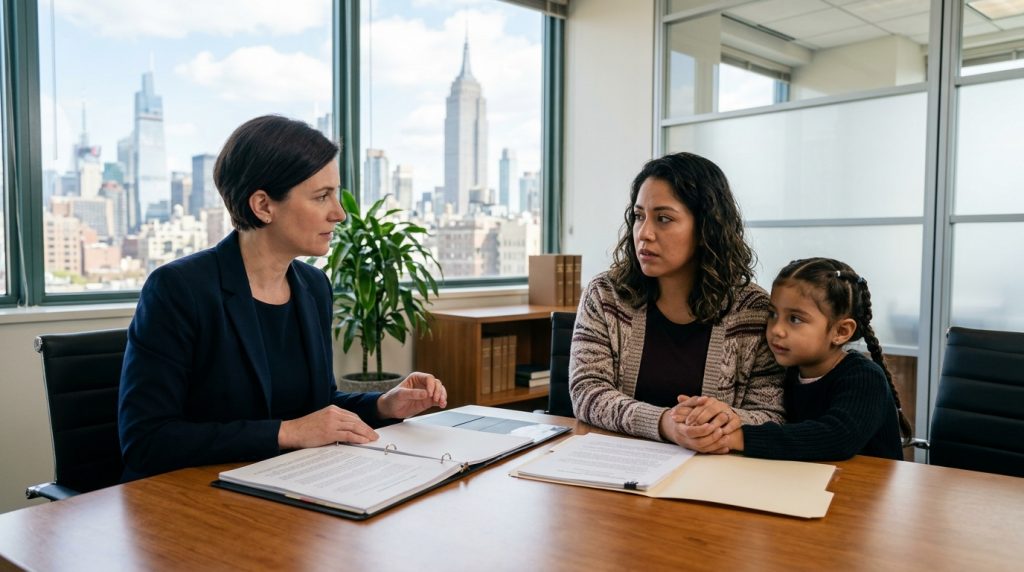
International child custody disputes present unique legal challenges for families in New York. When a parent wrongfully removes or retains a child across international borders, the Hague Convention on the Civil Aspects of International Child Abduction provides a legal framework for resolution. Understanding how this treaty operates within New York’s jurisdiction is essential for protecting parental rights and ensuring children’s welfare.
What Is the Hague Convention?
The Hague Convention on the Civil Aspects of International Child Abduction is an international treaty designed to protect children from the harmful effects of abduction and retention across international boundaries. Adopted in 1980 and implemented in the United States through the International Child Abduction Remedies Act (ICARA), the Convention establishes procedures for the prompt return of wrongfully removed children to their country of habitual residence.
The treaty operates between member countries—currently over 100 nations worldwide—and applies when a child under 16 years of age has been wrongfully removed from or retained outside their country of habitual residence. New York courts frequently handle Hague Convention cases given the state’s diverse international population across Manhattan, Brooklyn, Queens, The Bronx, Staten Island, and surrounding counties.
When Does the Hague Convention Apply?
For the Hague Convention to apply to an international child custody dispute, several conditions must be met:
Habitual Residence Requirement
The child must have been habitually resident in one Convention country immediately before the alleged wrongful removal or retention. Habitual residence is a fact-specific determination based on where the child has developed significant connections, including schooling, medical care, and family relationships.
Wrongful Removal or Retention
The removal or retention must be wrongful under the laws of the child’s habitual residence and must violate the custody rights of the left-behind parent. This typically occurs when one parent takes a child to another country without the other parent’s consent or fails to return the child after an agreed-upon visit.
Exercise of Custody Rights
The left-behind parent must have been actually exercising custody rights at the time of removal or retention, or would have been exercising those rights but for the wrongful act.
The Hague Convention Process in New York
When a child is wrongfully brought to or retained in New York, the left-behind parent can file a petition in federal or state court seeking the child’s return. New York courts in Manhattan, Brooklyn, Queens, Nassau County, and Suffolk County regularly adjudicate these complex matters.
Expedited Proceedings
The Hague Convention emphasizes speed, requiring courts to decide cases within six weeks when possible. This expedited timeline reflects the Convention’s goal of minimizing disruption to children’s lives and deterring international abduction.
Burden of Proof
The petitioning parent must establish by a preponderance of the evidence that the removal or retention was wrongful. Once proven, the burden shifts to the respondent parent to demonstrate that one of the Convention’s narrow exceptions applies.
Defenses to Return Under the Hague Convention
The responding parent may assert limited defenses to prevent the child’s return:
Grave Risk of Harm
If returning the child would expose them to physical or psychological harm or place them in an intolerable situation, the court may deny return. This defense requires clear and convincing evidence and is narrowly construed. Courts examine allegations of domestic violence, substance abuse, or other serious risks with careful scrutiny.
Child’s Objection
If the child has reached sufficient age and maturity, courts may consider the child’s objection to being returned. New York courts typically interview children in camera to assess their preferences while ensuring they have not been unduly influenced.
Settlement and Consent
If the child has become settled in their new environment or the left-behind parent consented to the removal, return may be denied. However, settlement requires more than mere adjustment; it requires significant integration into the new community.
Why Legal Representation Matters
International child custody disputes involve complex jurisdictional issues, treaty interpretation, and urgent timelines. The stakes are extraordinarily high, as decisions affect fundamental parental rights and children’s welfare. Experienced legal counsel familiar with both international law and New York family law procedures is essential for navigating these challenging cases.
At Tini Law, P.C., our attorneys understand the nuances of Hague Convention litigation and have successfully represented parents throughout Manhattan, Brooklyn, Queens, The Bronx, Staten Island, Nassau County, and Suffolk County. Whether you are seeking your child’s return or defending against a Hague petition, we provide strategic advocacy grounded in comprehensive knowledge of international and domestic law.
Our firm also handles a wide range of other legal matters, including criminal law, construction law, and bankruptcy law, ensuring comprehensive legal support for our clients’ diverse needs.
Take Action to Protect Your Parental Rights
Time is critical in international child custody disputes. The Hague Convention’s expedited procedures mean that evidence must be gathered quickly and legal strategies developed immediately. If you are facing an international child abduction situation or have questions about cross-border custody issues, contact Tini Law, P.C. today.
Our experienced attorneys are ready to provide the aggressive representation you need to protect your relationship with your child. Visit our FAQ videos for more information about our services, or call us to schedule a confidential consultation. Don’t navigate these complex international legal waters alone—let Tini Law, P.C. fight for your parental rights.