
Evicting a Problem Tenant in Brooklyn: NYC Landlord Legal Requirements
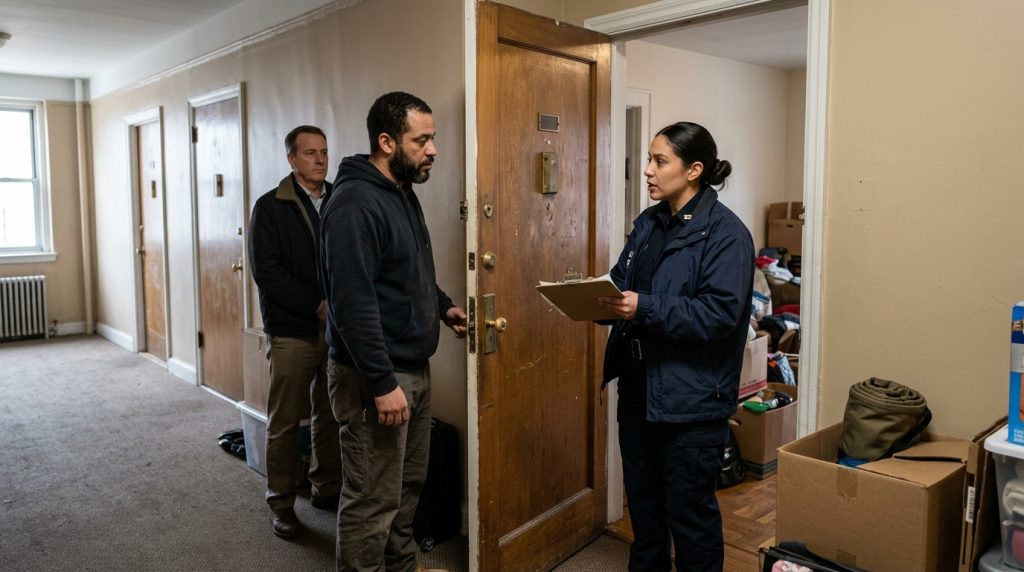
Evicting a problem tenant in Brooklyn requires strict adherence to New York State and New York City landlord-tenant laws. As a property owner in Brooklyn, Queens, Manhattan, or elsewhere in the five boroughs, understanding the legal eviction process is critical to protecting your investment while avoiding costly legal mistakes.
Understanding Grounds for Eviction in Brooklyn
New York law provides specific grounds upon which landlords may legally evict tenants. Simply wanting a tenant to leave is not sufficient; landlords must establish legitimate legal grounds for eviction proceedings.
Non-Payment of Rent
The most common reason for eviction is non-payment of rent. However, landlords must follow precise procedures, including providing proper notice and allowing tenants time to cure the default. If a tenant has filed for bankruptcy protection, the eviction process may be stayed, requiring additional legal navigation.
Lease Violations
Tenants who violate lease terms—such as unauthorized occupants, property damage, or conducting illegal activities—may be subject to eviction. If illegal activity involves criminal conduct, documentation becomes particularly important for your eviction case.
Holdover Tenants
When a lease expires and a tenant refuses to vacate, landlords may initiate holdover proceedings. This situation frequently arises in Brooklyn’s competitive rental market, particularly in neighborhoods throughout Kings County.
The Legal Eviction Process in NYC
New York’s eviction process is tenant-friendly, with multiple procedural requirements that landlords must satisfy. Self-help evictions—such as changing locks, removing belongings, or shutting off utilities—are illegal and expose landlords to significant liability.
Step 1: Proper Notice
Before filing an eviction proceeding, landlords must serve appropriate notice. For non-payment cases, this typically means a three-day notice to pay or quit. For lease violations, a ten-day notice to cure may be required. The notice must comply with specific formatting and service requirements under New York law.
Step 2: Filing the Petition
After the notice period expires without resolution, landlords file a petition in Housing Court. In Brooklyn, this means the Kings County Housing Court. The petition must accurately state the grounds for eviction and include required documentation.
Step 3: Court Proceedings
Tenants have the right to answer the petition and appear in court. Housing Court judges carefully scrutinize eviction cases, and procedural errors can result in dismissal. Landlords should be prepared to present evidence, including lease agreements, payment records, and documentation of lease violations.
Step 4: Warrant of Eviction
If the court rules in the landlord’s favor, a warrant of eviction is issued. Only a city marshal can execute the warrant and physically remove the tenant. Landlords cannot perform this function themselves.
Special Considerations for Brooklyn Landlords
Rent Stabilization and Rent Control
Many Brooklyn properties fall under rent stabilization or rent control regulations, which impose additional requirements on the eviction process. These regulations significantly limit grounds for eviction and require specific procedural compliance.
Housing Stability and Tenant Protection Act (HSTPA)
The 2019 HSTPA substantially strengthened tenant protections throughout New York State, including Brooklyn, Manhattan, Queens, The Bronx, and Staten Island. This legislation extended notice periods, limited fees, and created additional obstacles for landlords seeking to evict tenants.
COVID-19 Protections
Post-pandemic eviction protections may still apply in certain circumstances. Landlords must stay current on evolving regulations affecting eviction proceedings in Nassau County, Suffolk County, and throughout the New York metropolitan area.
Common Mistakes Brooklyn Landlords Make
Improper notice procedures, inadequate documentation, and self-help eviction attempts are among the most costly errors landlords make. Additionally, landlords sometimes fail to consider whether construction defects or building code violations might provide tenants with defenses to eviction. If your property has ongoing construction issues or disputes, these may complicate eviction proceedings.
International property owners face unique challenges navigating New York’s complex landlord-tenant laws. Our international law experience helps foreign investors understand their rights and obligations under U.S. law.
Why Legal Representation Matters
Brooklyn Housing Court is notoriously complex, with judges who are well-versed in tenant protection laws. Attempting to navigate eviction proceedings without experienced legal counsel often results in delays, dismissals, and increased costs.
At Tini Law, P.C., our real estate and landlord-tenant attorneys have extensive experience representing property owners throughout Brooklyn, Queens, Manhattan, The Bronx, and Staten Island. We understand the nuances of New York eviction law and work efficiently to protect your property rights while ensuring full legal compliance.
For more information about common landlord-tenant questions, visit our FAQ videos page for helpful resources.
Contact Tini Law, P.C. for Brooklyn Eviction Assistance
If you’re facing a difficult tenant situation in Brooklyn or anywhere in the New York City area, don’t risk costly legal mistakes. Contact Tini Law, P.C. today for a consultation with an experienced landlord-tenant attorney who can guide you through the eviction process and protect your property investment.